

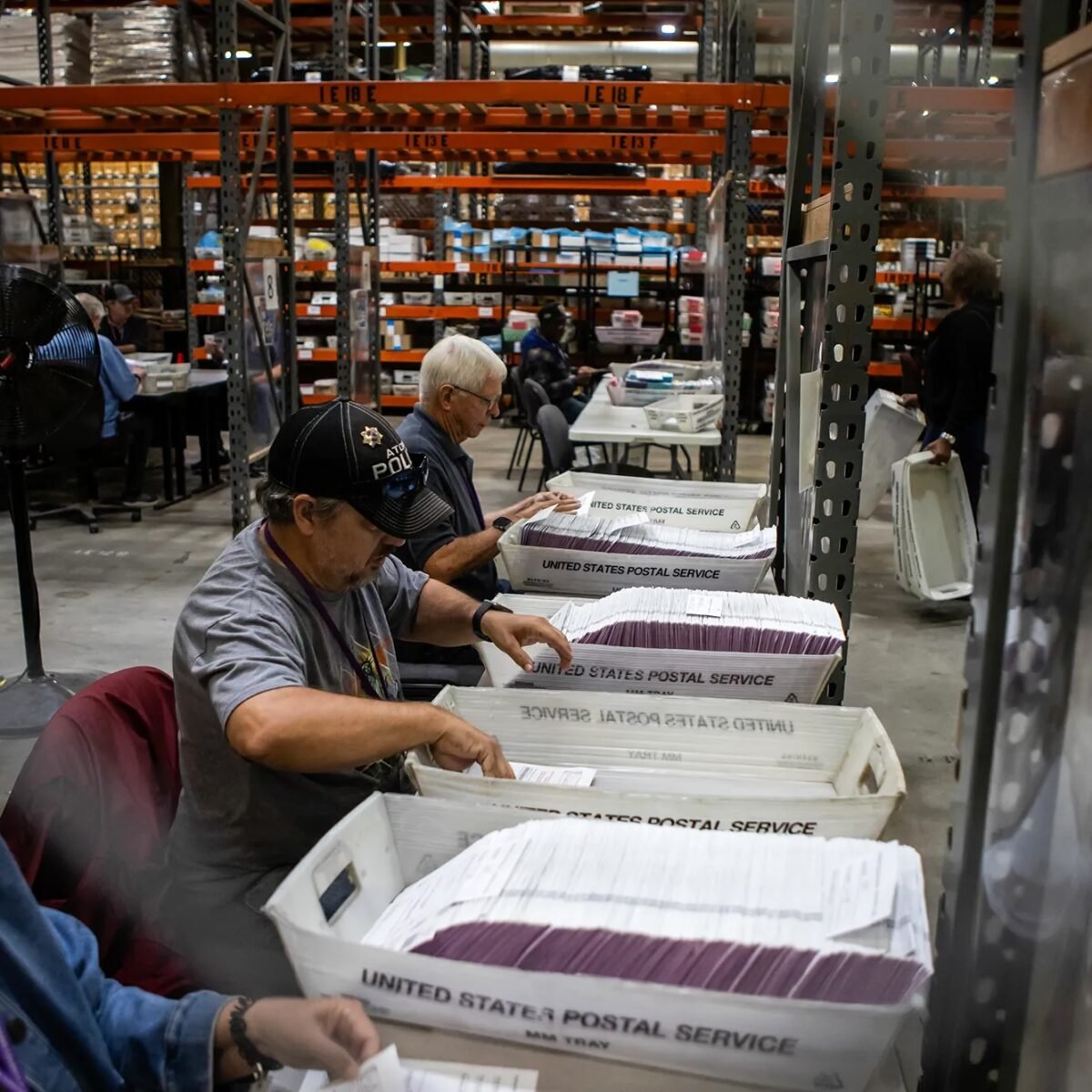
That lengthy wait has increasingly sown distrust in the accuracy of California’s results, especially among Republicans, and particularly in races where a candidate leading on election day falls behind as more ballots are processed in subsequent days.
“Every day matters,” said Kim Alexander, president of the nonpartisan California Voter Foundation. “Election security is about security in reality and also security in perception, and they’re both equally important.”
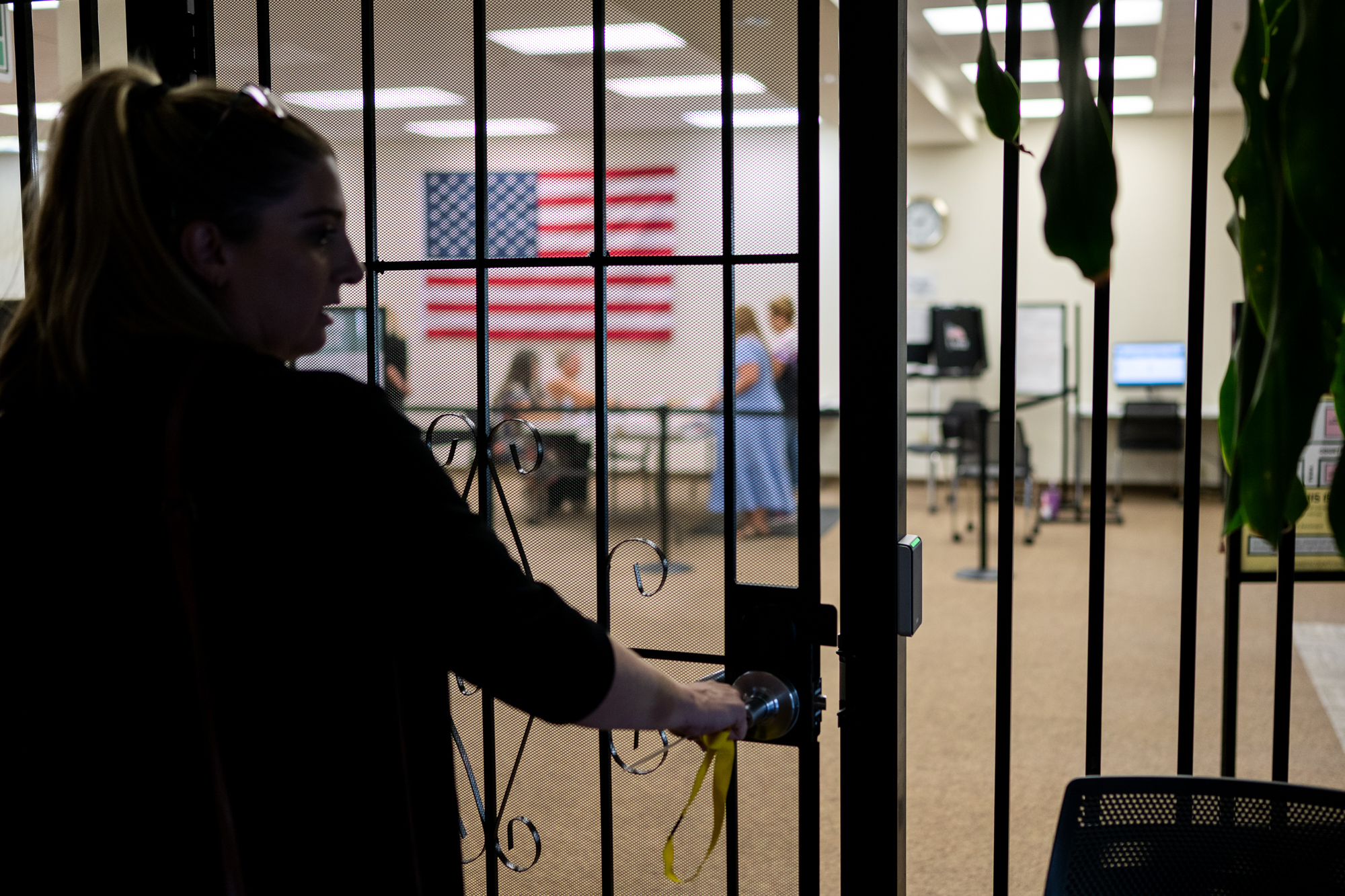
During a panel Thursday on election integrity, presented by CalMatters and the UC Student and Policy Center, Alexander argued that election administrators are boxing themselves into a “false choice” if they sacrifice timeliness in the name of accuracy. When winners aren’t decided for days, sometimes weeks, the ensuing uncertainty leaves room for doubt to take root, speculation to grow and misinformation to spread.
It took eight days in 2024 for The Associated Press to be able to declare Republicans had won control of the U.S. House, partly because of outstanding votes in California races, Alexander said. Two years earlier, it took nine days. In 2020, it took the AP seven days to determine that Democrats would retain the House, she said. Each time, outcomes in California swing districts played a decisive role.
“We’re creating a window of opportunity for people to make these claims,” Alexander said, referring to largely unfounded claims of systemic voter fraud and election rigging. “We have to acknowledge that.”
Fellow panelists defended California’s meticulousness as crucial to its election integrity. Assemblymember Gail Pellerin, Democratic chair of the Assembly elections committee and former Santa Cruz County registrar of voters, argued that county officials need time to verify voters’ signatures on vote-by-mail envelopes “so people don’t get disenfranchised for penmanship or for failure to sign.”
“There’s nothing in law that says, I need to meet your deadline,” Pellerin said of media outlets and journalists who are eager to call races on election night. “What the law says is that I need to count the votes accurately, securely. I need to check them, and double-check them, and audit them, and then I certify them.”
Matt Barreto, director of the UCLA Voting Rights Center, noted that counties have 30 days post-election to certify their results and submit them to the secretary of state. That process, he said, should be completed as quickly as possible but “not at the expense of the county registrars doing their job effectively to make sure every vote is counted.”
Catharine Baker, head of the UC Center, emphasized — pointedly to Pellerin — that counties need more money to make sure they’re sufficiently staffed and have the equipment they need to count efficiently.
They all agreed that voters can do one thing to speed up the count: turn in their mail ballots early so counties can process them before election day.
Large partisan divide over election integrity
California voters are highly polarized in their views on the status of democracy in their state and country, largely along party lines.
A new survey from the UC Berkeley Institute of Governmental Studies found a third of Democrats said they are “extremely satisfied” or “very satisfied” with the way democracy works in California, while only 4% of Republicans said they felt that way. Conversely, more than two-thirds of Republicans are not satisfied at all, compared to 10% of Democrats.