
“The question we should be asking is, what right does the state of Israel have of banning folks from going to Palestine?” said Subeh, who is Palestinian and grew up in Kuwait and Los Angeles as a refugee. “Everybody’s silence plays a huge role.”
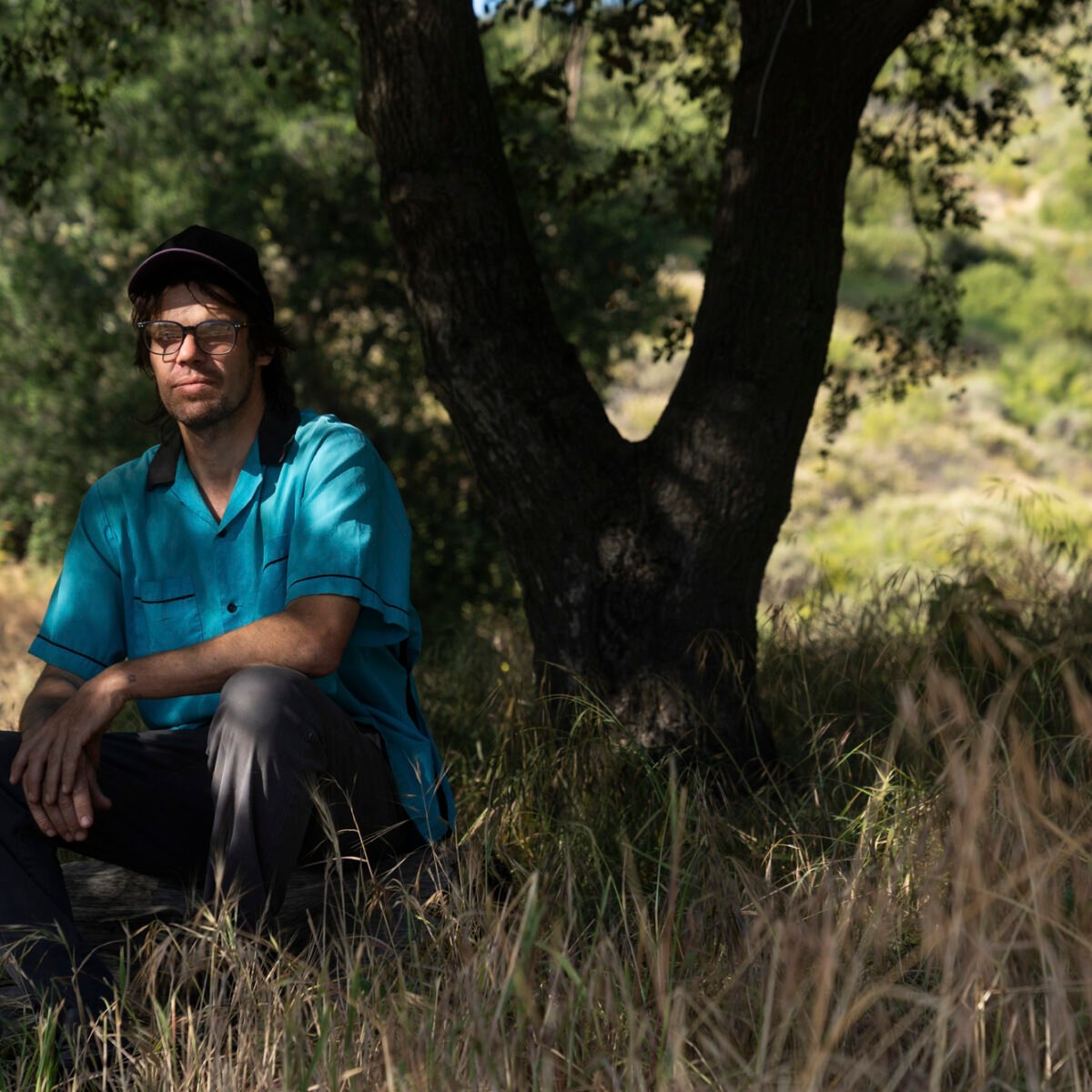
Chad Ashby, a ship electrician from Los Angeles, considered joining the Freedom Flotilla, a precursor to the Global Sumud Flotilla, last year and interviewed with organizers at the time. A longtime activist who lived on boats in Bay Area marinas for a decade, Ashby said he’s made more than a dozen humanitarian trips to the Mediterranean with Sea-Watch, a German organization that rescues refugees off the Libyan coast and ferries them to boats bound for Europe.
With Sea-Watch, Ashby, 41, has come face to face with Libyan Coast Guard vessels, with machine guns mounted on their bows, as his crew worked to rescue people from sinking rubber boats and life rafts. He said he still remembers how his heart pounded for hours after his first encounter with Libya’s fleet, which is known for firing on migrants and activists.
“Doing this type of work, your comfort level starts to change, and you just start to become more comfortable with doing things that seem a bit more risky,” Ashby said.
Last year, though, Ashby backed out of joining the Freedom Flotilla. In his research, he learned about an Israeli raid on the Mavi Marmara, a passenger ferry headed to Gaza in 2010, that killed nine Turkish activists, including one Turkish American. The attack was condemned globally, and Israel eventually agreed to pay Turkey $20 million in compensation.
“Hearing that story gave me great hesitation,” Ashby said. “It made me [think] I’m not sure if I’m really willing to die for this right now.”
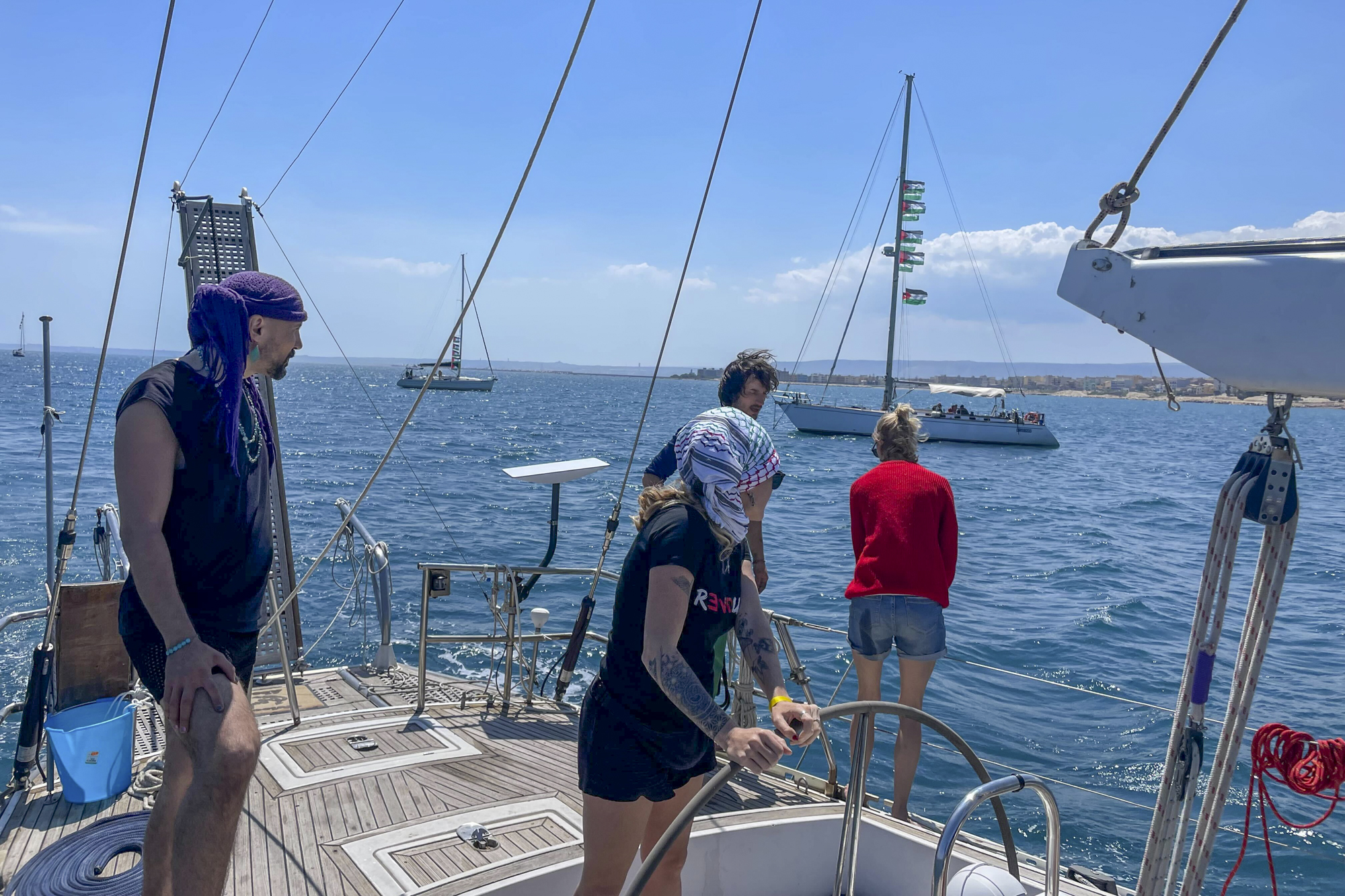
Some of Ashby’s friends from the Sea-Watch community were on a Freedom Flotilla ship called the Conscience that was anchored off the coast of Malta last May when it was hit twice by drones in the middle of the night, ripping open the ship’s hull. No one claimed responsibility for the attack.
In the months after, more ships embarked for Gaza, carrying activists including Greta Thunberg and Amazon labor organizer Chris Smalls. That voyage made international news when Israel detained more than 400 participants 70 nautical miles off Gaza’s coast. California lawmakers and people around the world called for the immediate release of the detained activists.
“Hearing about that mission changed a lot of minds for activists, because people before that thought that this is like a death sentence,” Ashby said. “Even though they were not able to deliver the aid, they were able to get the message out.”
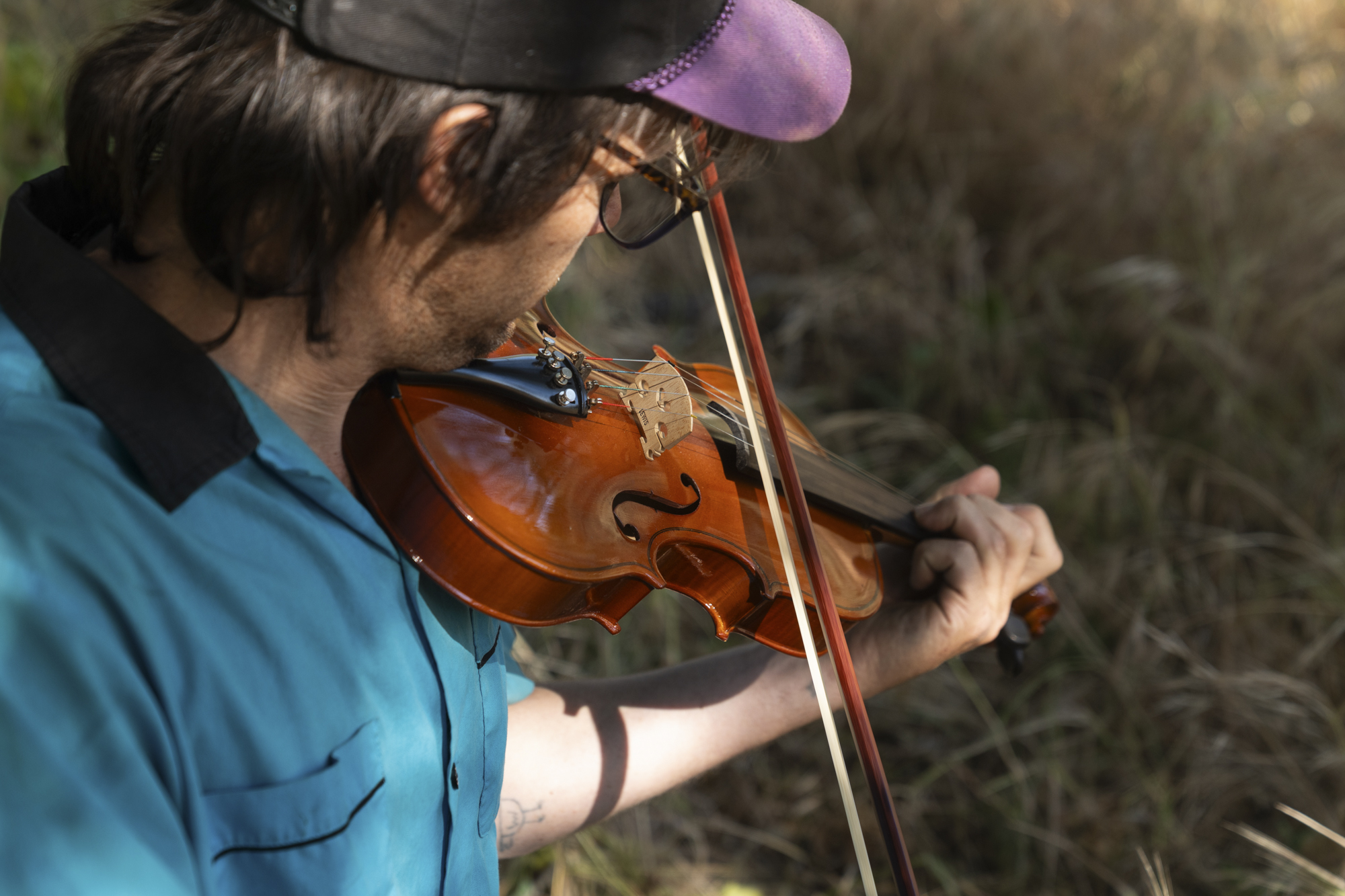
Last week, Ashby packed a small bag, including his electrical equipment and his documents. He also brought his violin, he said, not only to keep up his daily practice but also as a form of meditation.
Then, he traveled to Sicily’s eastern coast to join the crew of the Shireen, a sailboat named for Palestinian American journalist Shireen Abu Akleh, who was killed by Israeli forces in the occupied West Bank while reporting in 2022.
Immediately, the crew got to work on a list of maintenance tasks needed before the boat could leave port. In the evenings, after working, the crew and others in the marina joined together to play music and livestreamed it as a radio show.
“It’s impressive how many people have come together to try to make an effort to put a stop to the genocide,” Ashby said. “I love to see all of the organization and the passion.”
The Shireen doesn’t plan to reach Gaza and will stay in international waters for the duration of the voyage. As a legal support boat, it carries a handful of legal observers as well as a small group of people with the skills to fix other ships’ broken navigational systems, lights and whatever else they need to make it across the sea.
“We’re just inundated with this horrible information and feeling so bad for what was happening and feeling very powerless,” Ashby said. “And it seemed like a way that I could use my skill to be able to help out.”