


School leaders and parents praise its mission of teaching the students to resolve conflicts peacefully, and numerous students inspired by the experience come back as youth leaders or counselors. But the Oakland-based nonprofit’s future is uncertain as it faces opposition by a small but influential group of Castro Valley residents over its plans to establish the camp near their rural properties.
“We give kids the experience of living in a welcoming, inclusive and joyful community. We’re the only ones that we know of that are doing this, and we’re in danger of not existing because of bureaucracy and NIMBYism,” Lara Mendel, co-founder of the project, said about the forces she’s up against.
A key vote that could seal the Mosaic Project’s fate may come from Nate Miley, the longtime supervisor who represents Castro Valley, an unincorporated community of 66,000 wedged between suburban sprawl and picturesque open spaces. Supporters of the outdoor recreation facility question whether he can vote independently, given that he appointed members of a municipal advisory council that unanimously rejected county staff recommendations to approve the project last August.
“The MAC has, I would say, not very diverse appointments, and amplifies a Castro Valley that I don’t think is Castro Valley writ large,” said Michael Kusiak, a school board member who wants to provide local students convenient access to the program.
He said the appointees overwhelmingly represent “legacy voices” in the community who want to preserve the status quo in Castro Valley.
“Those voices tend to get amplified a bit more than others, and that’s frustrating, particularly when you hear people make these comments that makes you go, ‘What are we really talking about here, people? Maybe you want to say what you really mean,’” he said. “I haven’t found the arguments against the project to be very credible.”
Miley hasn’t publicly stated his position on the project. Messages seeking his comment were not returned on Wednesday.
He also nominated the majority of a five-member zoning board that voted against the proposal in December.
At that meeting, members of the governing board said they were worried the facility would increase traffic and wildfire danger in the boxed canyon, as well as strain the local water supply, which depends on wells.
Teddy Seibert, vice-chair of the West County Board of Zoning Adjustments, recused herself from voting because she owns a winery that shares boundaries with the Mosaic Project’s property. But in a letter submitted to the board, she called the proposal “a thinly-veiled attempt at urban expansion.” Her husband, Keith Seibert, said in public comments that he feared losing the winery’s license to serve alcohol if a youth facility moved in next door.
Chuck Shipman, a resident of the Sequoians nudist club at the end of the road, said: “I would kind of feel concerned if somebody comes in there and says, ‘Well, I don’t want my kids around a nudist resort.’ That would affect our business also.”
Another resident worried about additional noise from “100 fourth and fifth graders at an evening campfire or tromping through the hills collecting forest products.” Several others sought to redefine the program as a school, which would violate Measure D, a 26-year-old initiative Miley championed to restrict urban development in rural parts of Alameda County.
However, the Mosaic Project’s land use attorney, David Smith, said an environmental review and scientific studies by outside consultants have addressed these concerns.
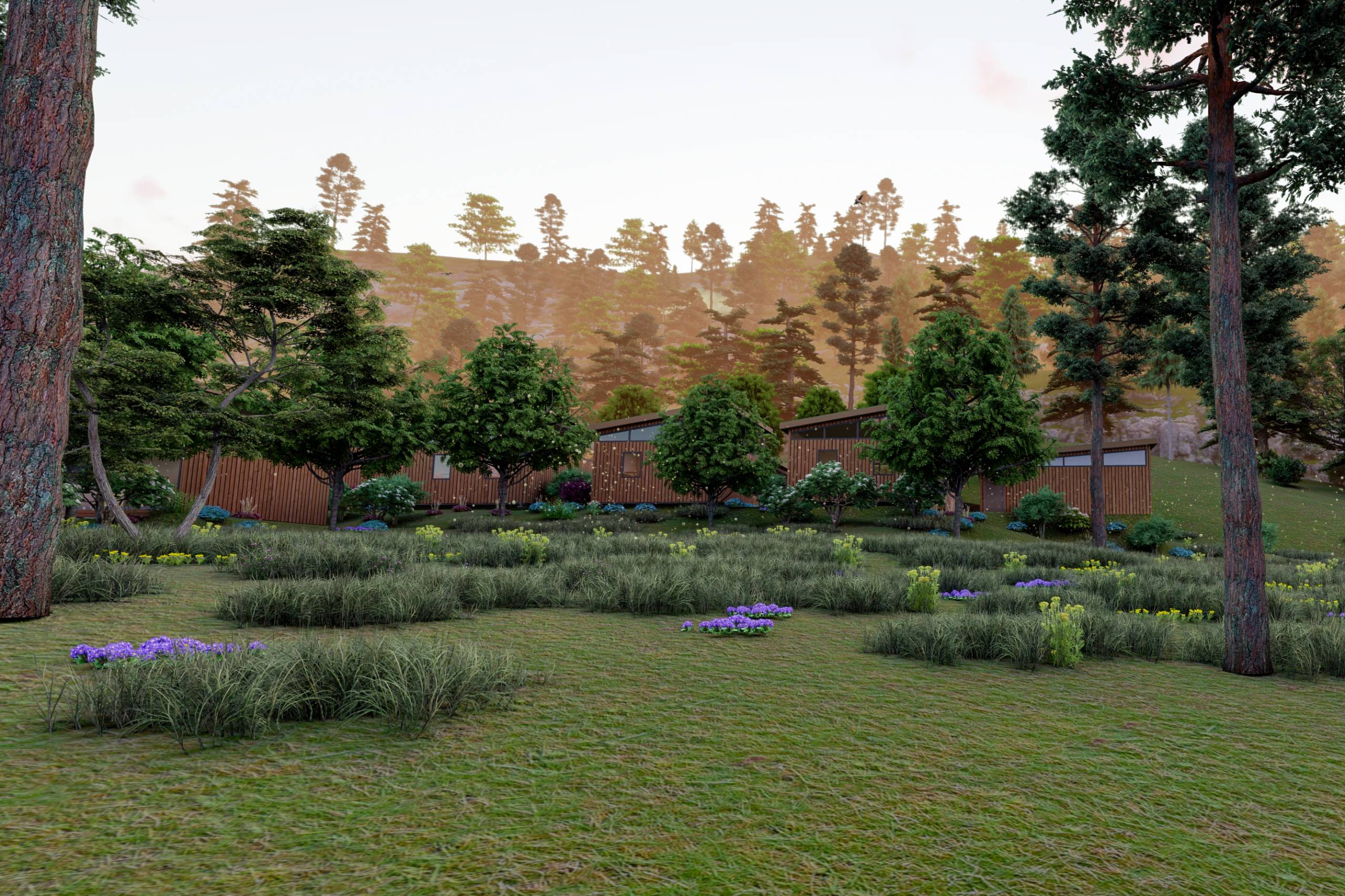
He said the facility, which would cover just two acres of the 37-acre property, will be built with fire-resistant materials that would create a break in the canyon in the event of a conflagration. Water tanks at the site would be reserved for fire suppression that everyone in the canyon can use.
“We have put in exhaustive modeling from fire experts of all possible scenarios,” Smith said. “It’s undisputed that the wildfire risk for the canyon as a whole is materially improved with the project than without it.”