

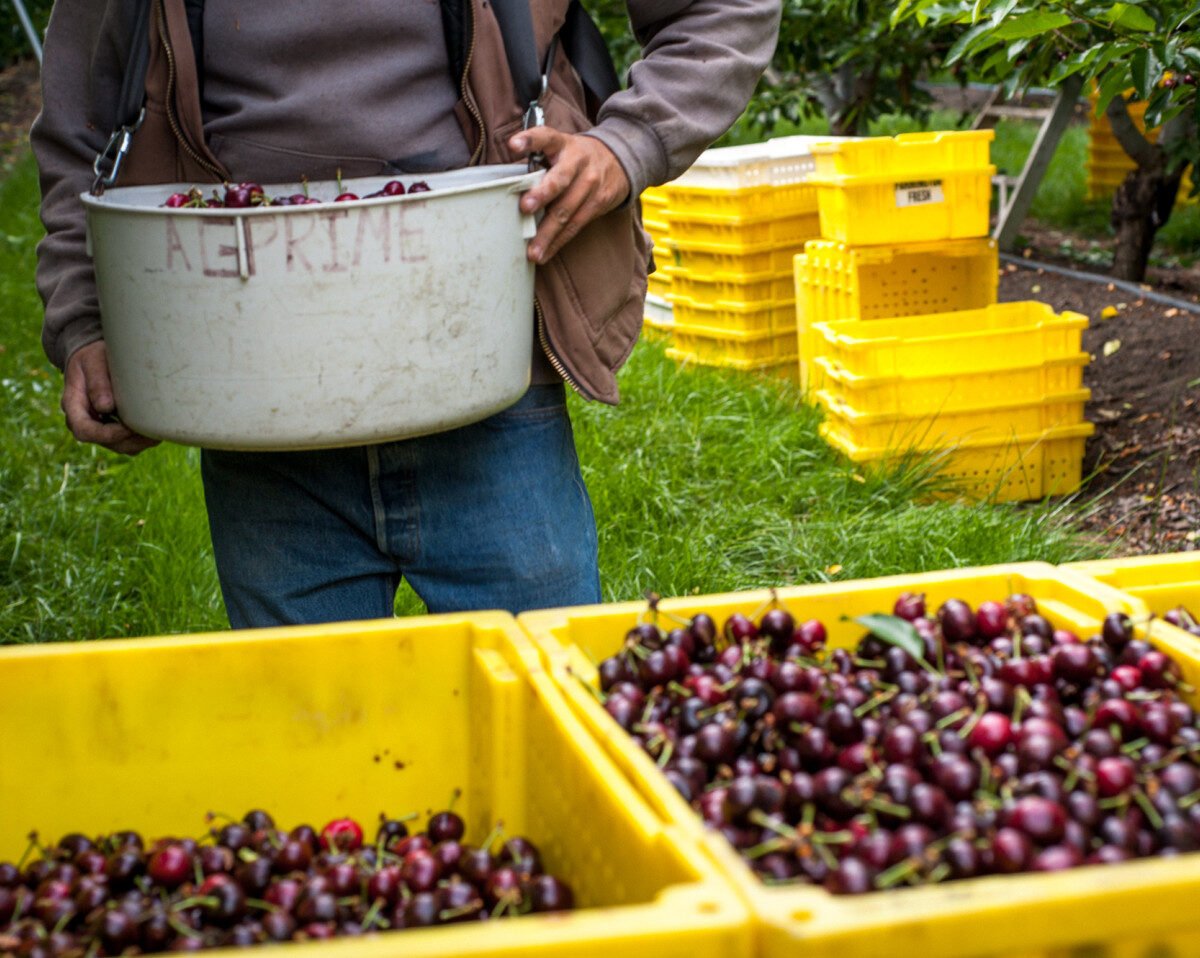
Farm labor is hard to count because workers include farmers, their family members and hired workers who are often seasonal employees. Oh, and a lot of them lack proper authorization to work in the country, so that makes them harder to account for.
Plenty of other industries hire seasonal workers and hire undocumented workers, and yet they are counted. Instead, separating farm work from other categories makes it easier for employers to exploit workers and for consumers to build up a protective wall of ignorance. Americans might balk at buying a sweater made by a child in India, but we’re okay eating produce picked by children in our own communities.
U.S. diets and the economy depend on the food harvested here, but Americans, by and large, prefer to look away and not have to recognize farmworkers to the extent we should.
Californians take pride in being a state that feeds the rest of the nation with our produce. This state is home to more farmworkers than any other state, with about 800,000 seasonal and full-time workers each year, representing about 2.2 percent of the state’s workforce.
“There has not been a farmworker movement for decades,” said Miriam Pawel, a journalist who has written two books about the United Farm Workers on an episode of Forum that aired days after the New York Times investigation was published. “Declaring something as Farmworker Day instead of Cesar Chavez Day doesn’t really do anything for the farmworkers in the fields who are working in very tough conditions right now.”
Farm work has been a job that we regard as something you do if you’re desperate and have no other options, instead of regarding it as a job worthy of dignity and respect because of how hard it is.
Looking away from farm work is another way that the labor and economic contributions of immigrants and Latinos are erased. But for many Mexican American families, farm work has served as an accessible stepping stone to achieve the American Dream. Despite the grueling hours and low pay, thousands of families, like my own, have had farmwork in our history.