

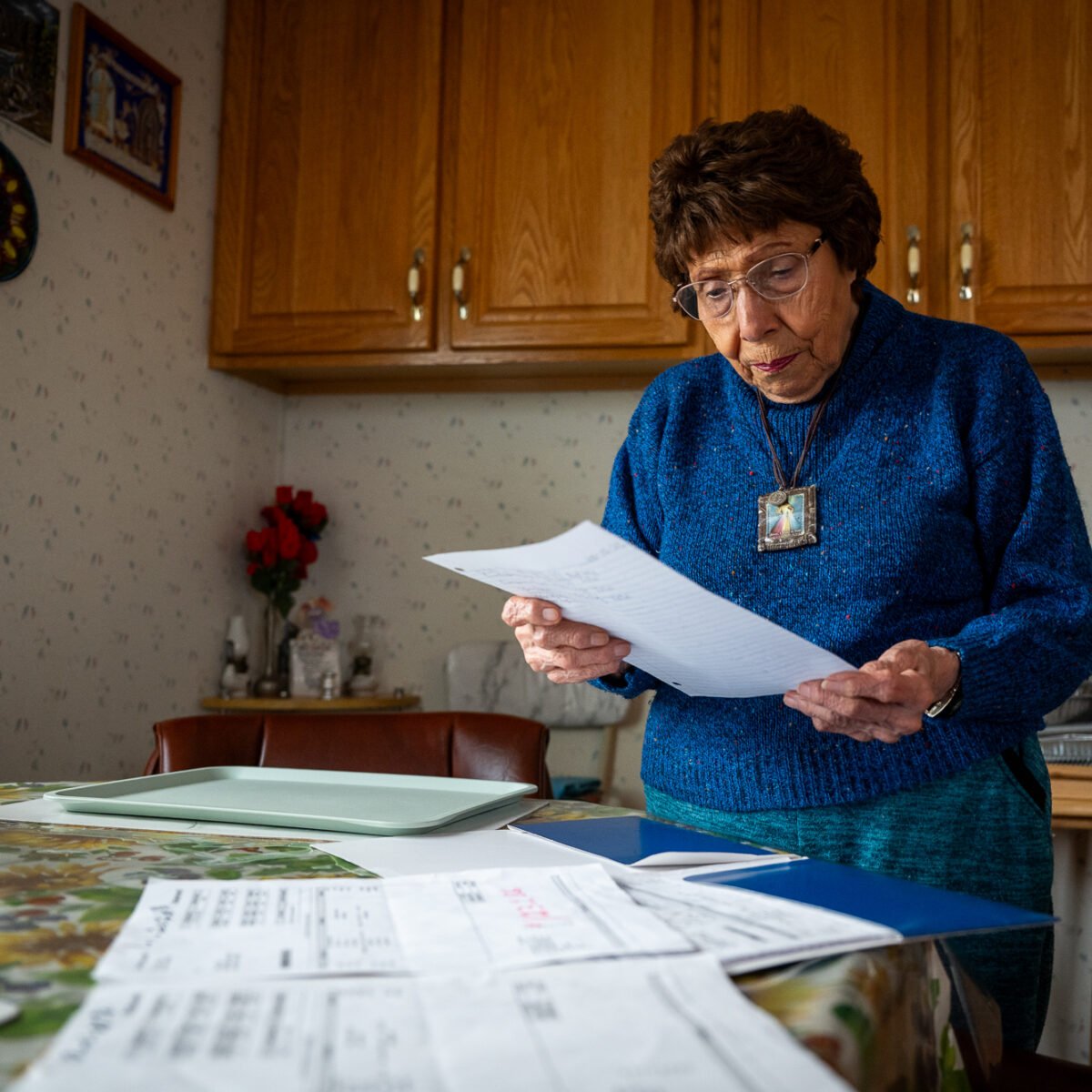
Faria said that when she called Harmony about the first rent increase, she was told she’d have to pay or face eviction, an account the company did not directly address in its response to KQED’s questions. By the time the second notice arrived, followed by the mixed messaging, she felt helpless and afraid.
“Those people are completely bleeding us,” she said. “And they don’t care.”
A week later, she got a new letter in the mail.
This one told her that despite the credit, her rent would still increase by $100, bringing her total rent up from $995 to $1,095.
The letterhead listed Creekside Village MHC LLC, while contact information directed residents to Harmony Communities, reflecting a centralized management structure. Madeline Bankson, a housing researcher with the Private Equity Stakeholder Project, said this type of ownership is part of a broader industry pattern.
“The LLC does three things,” Bankson said. “It reduces liability, adds tax benefits under the tax code; the sort of secret added bonus is obscuring ownership.”
Davies started investing in mobile home parks in 2004 with his father, Bruce Davies, according to Ubaldi and a 2024 interview Matthew Davies conducted with a YouTube vlogger. Davies said Harmony had amassed a nearly $700 million portfolio in its first 20 years of operations.
In a 2021 interview with Multi-Housing News, Davies described Harmony’s approach as improving communities while keeping housing attainable.
“We look for communities we think will have long-term stability in areas where there’s a strong need for affordable housing and where we believe the local jurisdictions will be supportive of our efforts,” Davies told the trade publication.
Harmony operates dozens of mobile home parks across California, but individual LLCs and family trusts own the parks themselves. Documents filed with the California Secretary of State show the managers and members controlling the LLCs are often family members, relatives and Harmony employees.
As of November 2025, Harmony listed 29 mobile home parks it manages on its website. That list has since been removed. A broader search of property records identified about 100 parks associated with the company. Those include properties that had previously been listed on its website and where the owners’ principal address matched Harmony’s Stockton headquarters.
An analysis of business filings with the California Secretary of State found employees and family members tied to Harmony have an ownership stake in at least 84 of those parks. That includes parks owned or co-owned by members of the Ubaldi family and the Ubaldi Living Trust, whose successor trustee is Harmony spokesperson Nick Ubaldi.
“As an employee of Harmony Communities, and as a park owner myself, I manage the day-to-day operations of these parks,” Ubaldi said. “Our involvement in the industry dates back to the early 1980s, long before Harmony existed.”
According to Ubaldi, Harmony is responsible for day-to-day operations, including setting rents, managing leases, maintaining properties and handling tenant issues. For many residents, the company serves as the primary point of contact.
Records show at least 10 LLCs managed by Molly Thompson, Davies’ ex-wife. Bruce Davies shows up as the manager for 41 LLCs.
Bankson said that the lack of transparency can make it harder for residents like Faria to challenge decisions or for regulators to step in, especially when ownership and management are intertwined.
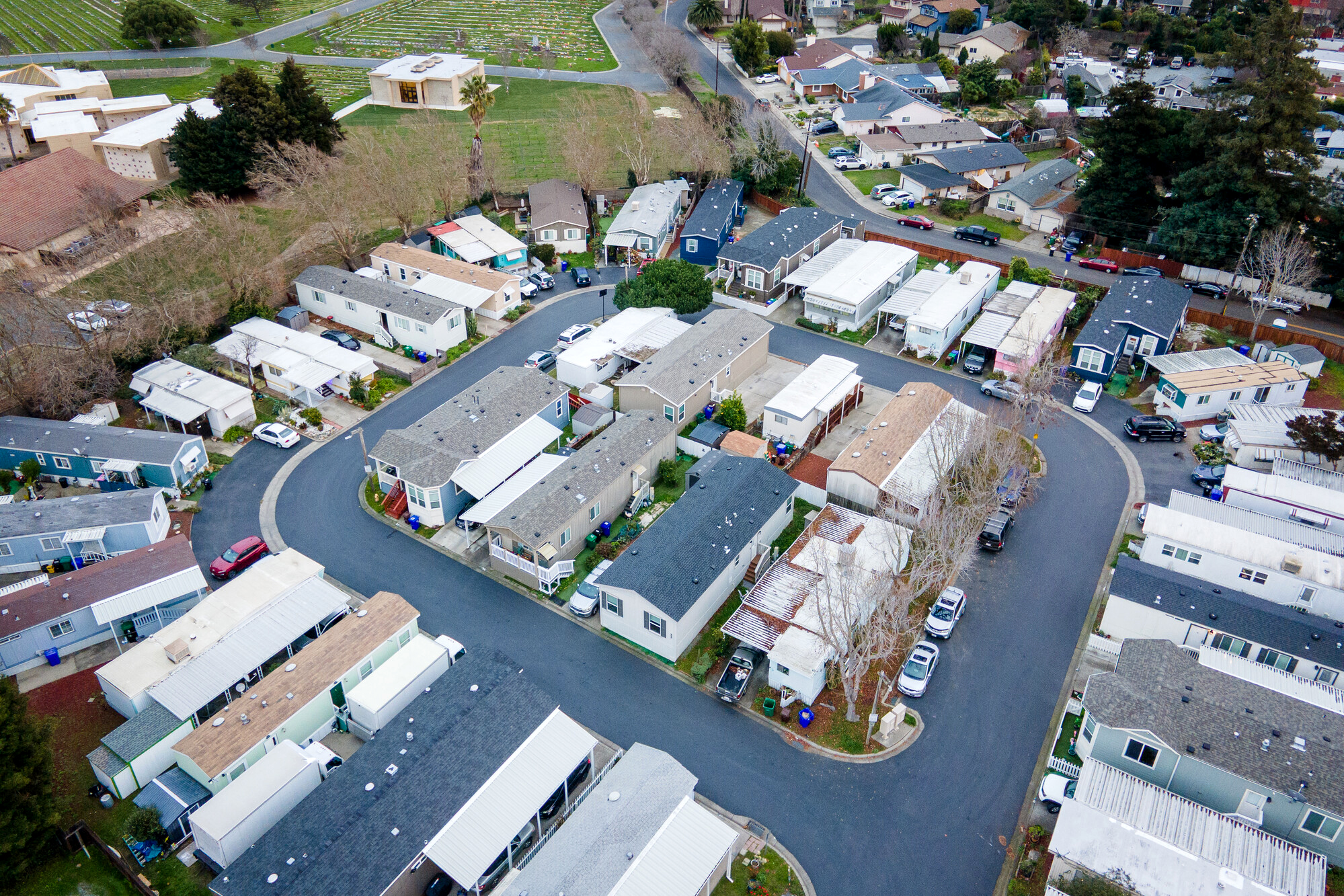
Harmony said its ownership structure is standard and publicly disclosed. Willow reflects the same pattern. Creekside Village Mobile Home Park LLC owns the park. Business filings name Bruce Davies as the LLC’s manager and list the owner’s mailing address as Harmony’s headquarters.
As Harmony grew its portfolio, it continued to raise rents on mobile home park residents — or facilitate the sale of their parks. Meanwhile, residents and local officials from Santa Barbara to Sonoma County have pushed back against proposed rent increases and park closures.
Ubaldi said these measures often have the opposite of their intended effect: By limiting rent increases, he said, the underlying land becomes more valuable as vacant property than it is as a park. He pointed to a property in Thousand Oaks, which he said has an estimated land value of $20 million if it were cleared for redevelopment, but only $4 million as an occupied mobile home park.
“This dramatic disparity illustrates how such policies can incentivize park closures, sales to developers, or conversions, ultimately reducing the stock of affordable housing rather than expanding it,” he said.
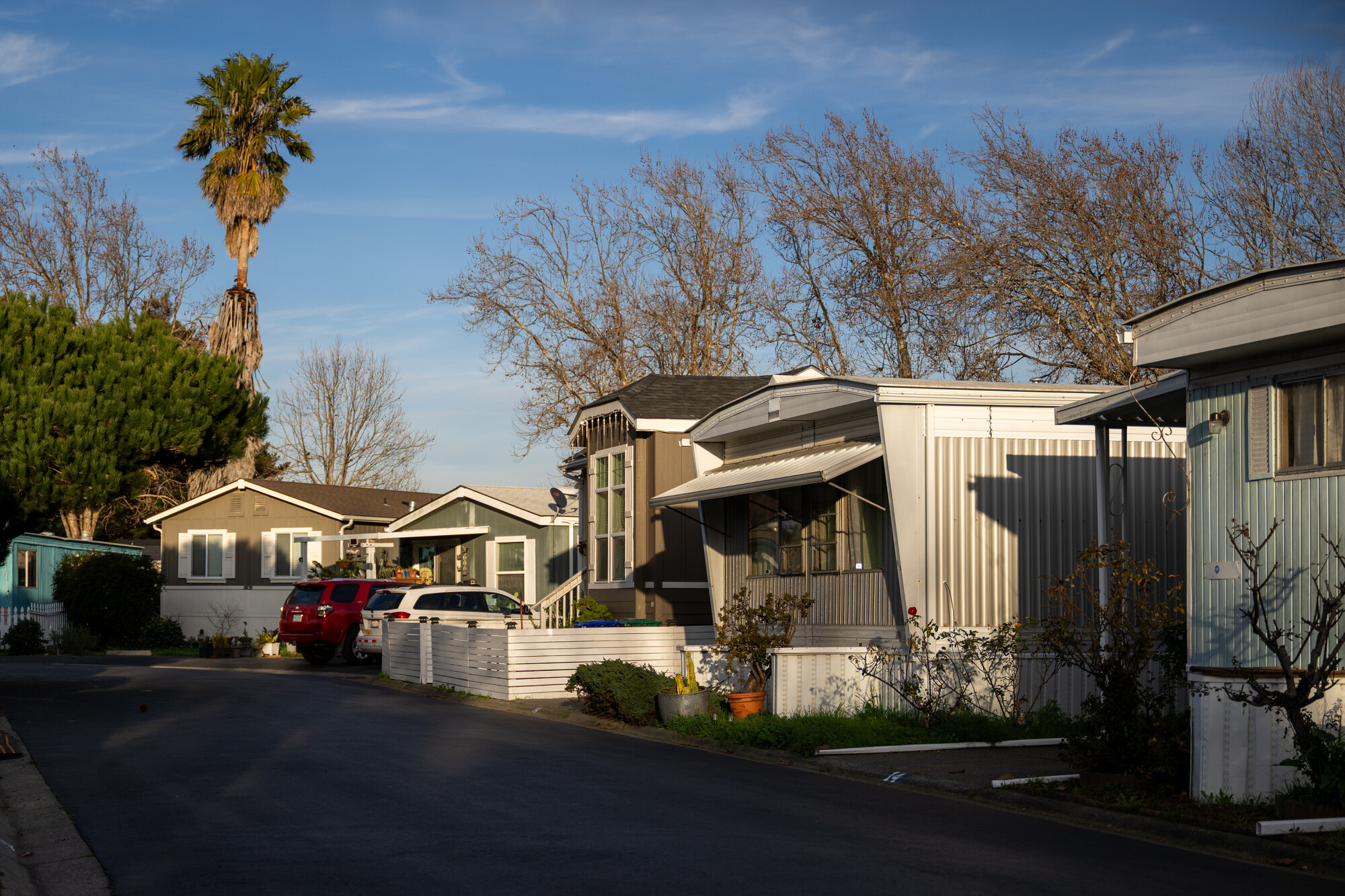
Officials in several cities haven’t seen it that way. In San Luis Obispo County, supervisors unanimously rejected a hardship petition filed on behalf of two Harmony-managed parks, concluding the company did not meet the standard needed to justify higher rents.
San José housing officials similarly denied a proposed rent increase at the Golden Wheel Mobile Home Park — another park owned by the Ubaldi family and managed by Harmony Communities — saying the owner failed to justify raising rents by about 10% for some of the park’s lowest-income tenants.
“They are a very well-known park owner, and these tactics, or this behavior, is pretty typical for them across the state,” Emily Hislop, rent stabilization and eviction prevention manager for the city, said at a Housing and Community Development Commission meeting in February 2025.
At Willow, Ubaldi said the two increases were intended to “bring rents to market.”
“We do our best to review all available data and metrics, including comparable properties, occupancy rates, local economic conditions, and recent leasing and sales activity, to arrive at a fair and competitive market rent for Willow,” he said.
Faria and her neighbors were fed up with the higher charges and confusing messaging. They began to organize.
Linda Jackson, another senior at the park, was the spearhead. She learned that Creekside Mobile Home Park, another Harmony-managed property in San Pablo, was also facing increases.
Jackson spread the word: “I said, ‘I need five people to stand with me so that we can get [Harmony] off our backs and make it so that we can live more comfortably.’ I swear to God, the next day, I had 35 people.”
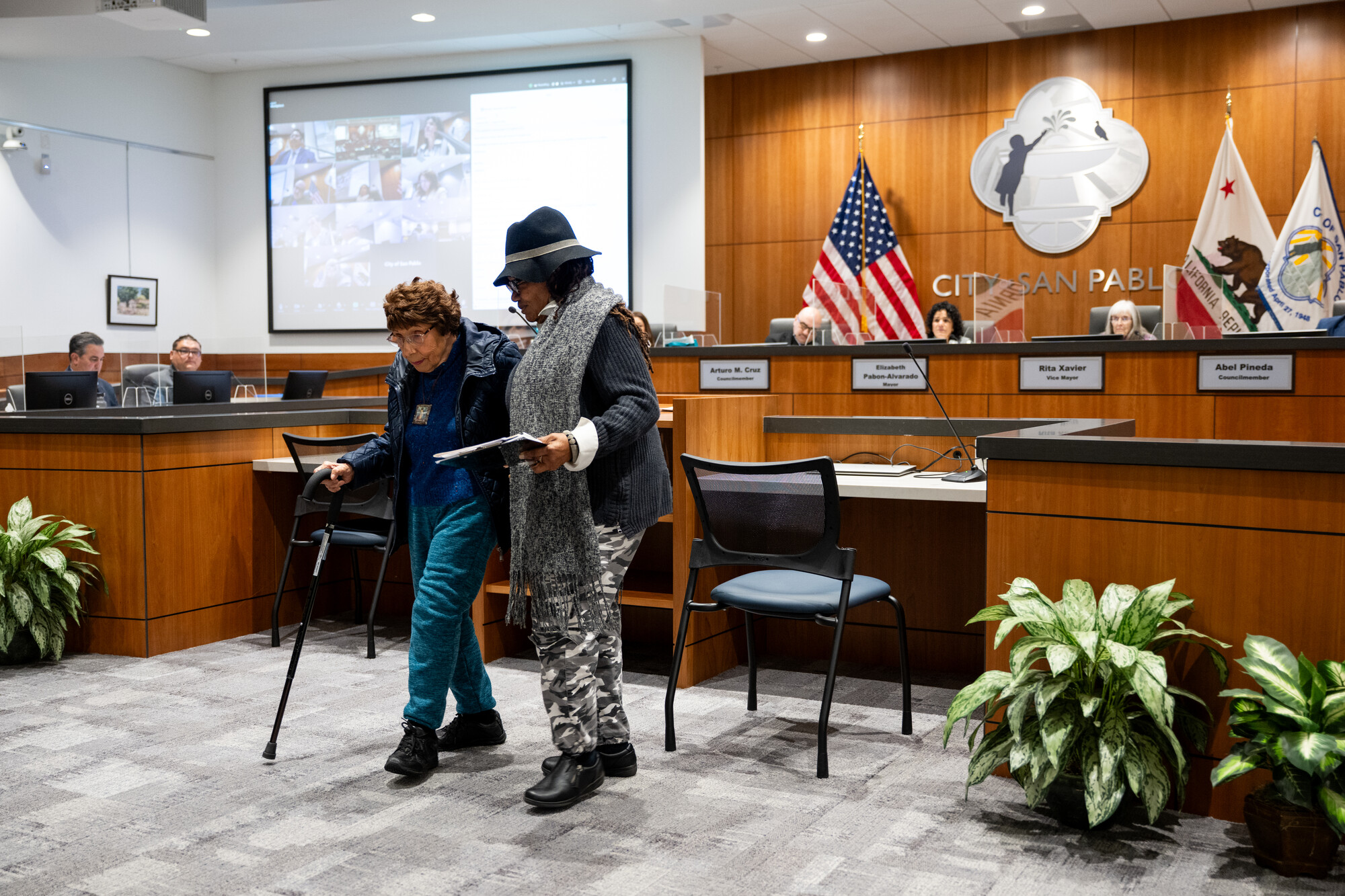
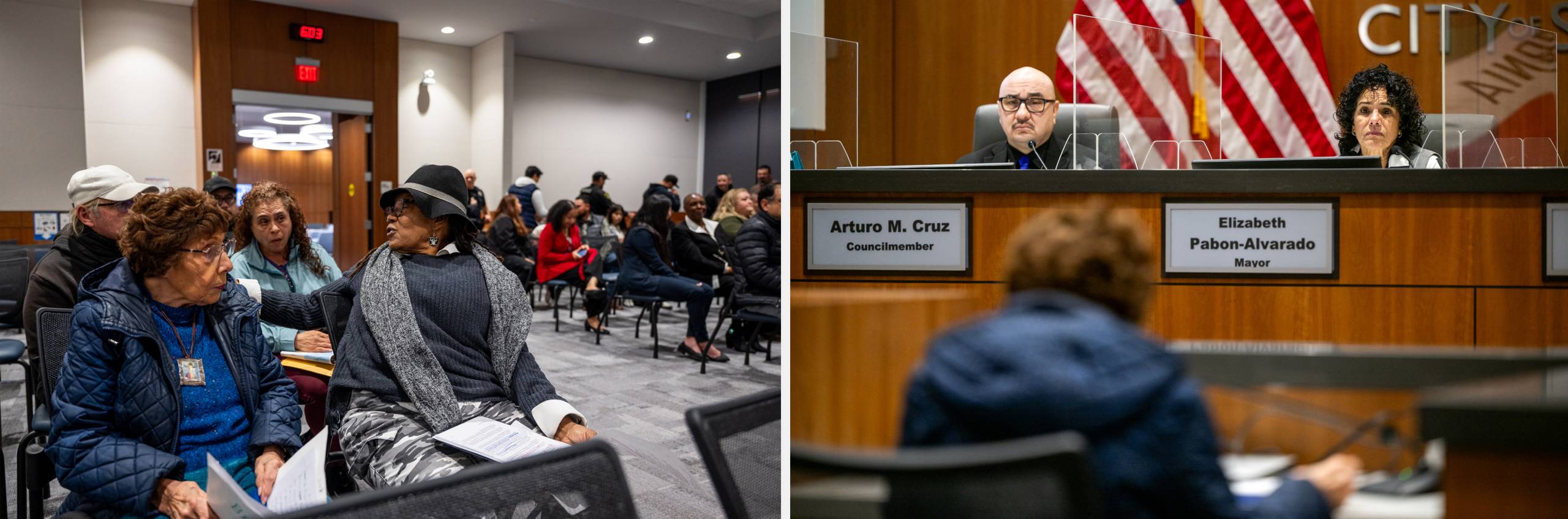
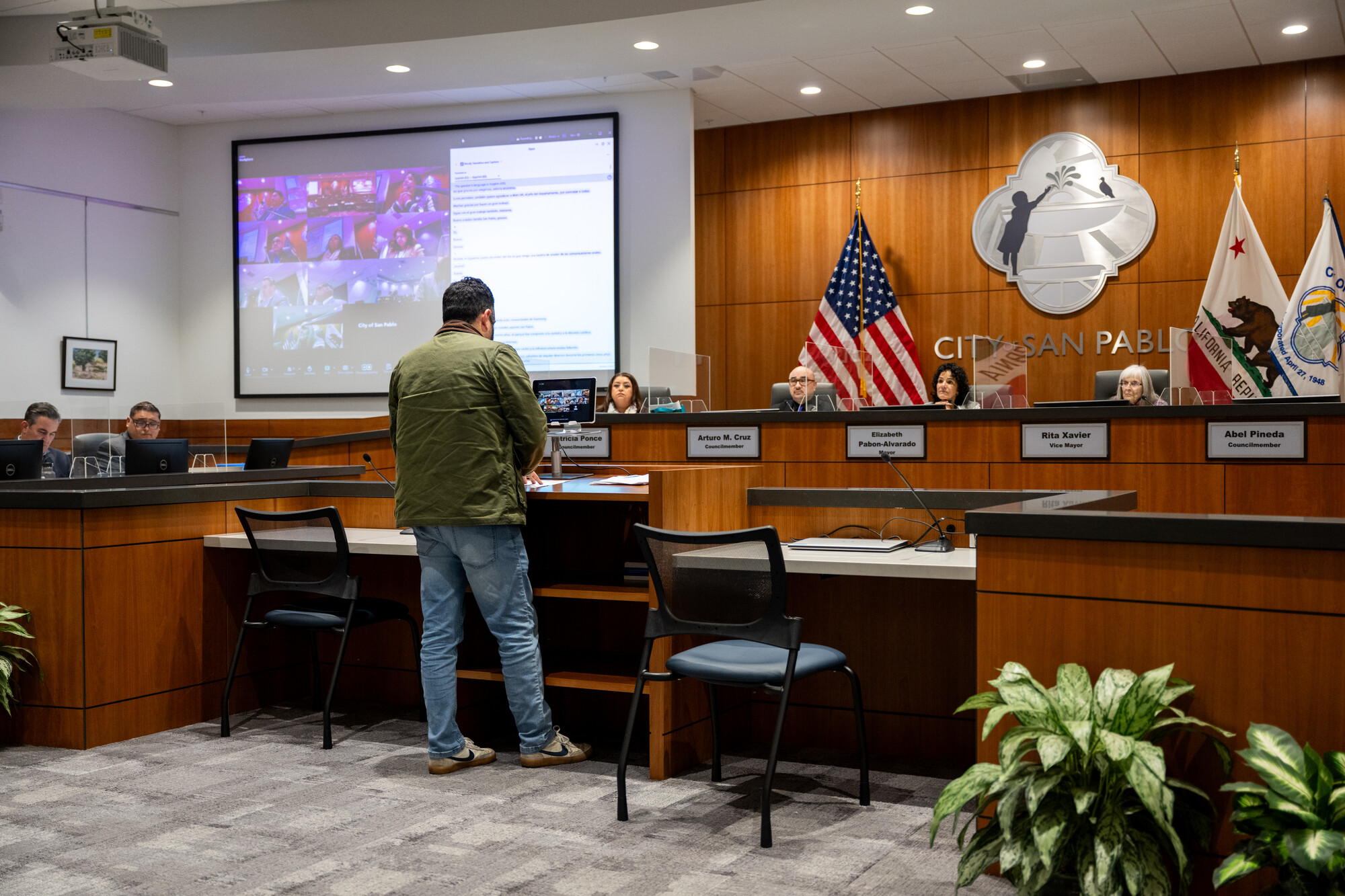
Faria was one of them. She quickly became a leading voice at San Pablo City Council meetings, where residents urged local leaders to adopt a measure that would limit rent increases for mobile home park tenants.
“I never imagined at my age I would be choosing between paying rent, buying food and getting my medication,” Faria told council members on Dec. 1. “I cut back everything I can, but these rent hikes are more than I can bear.”
At the following meeting on Dec. 15, the council approved a Mobile Home Assistance Program, offering a one-time, $1,000 grant to help offset rent hikes. But residents said the relief, while welcome, fell short.
“This Band-Aid is giving us more stress,” Jackson said.
With only short-term help on the horizon, Faria said it’s difficult to plan for the future.
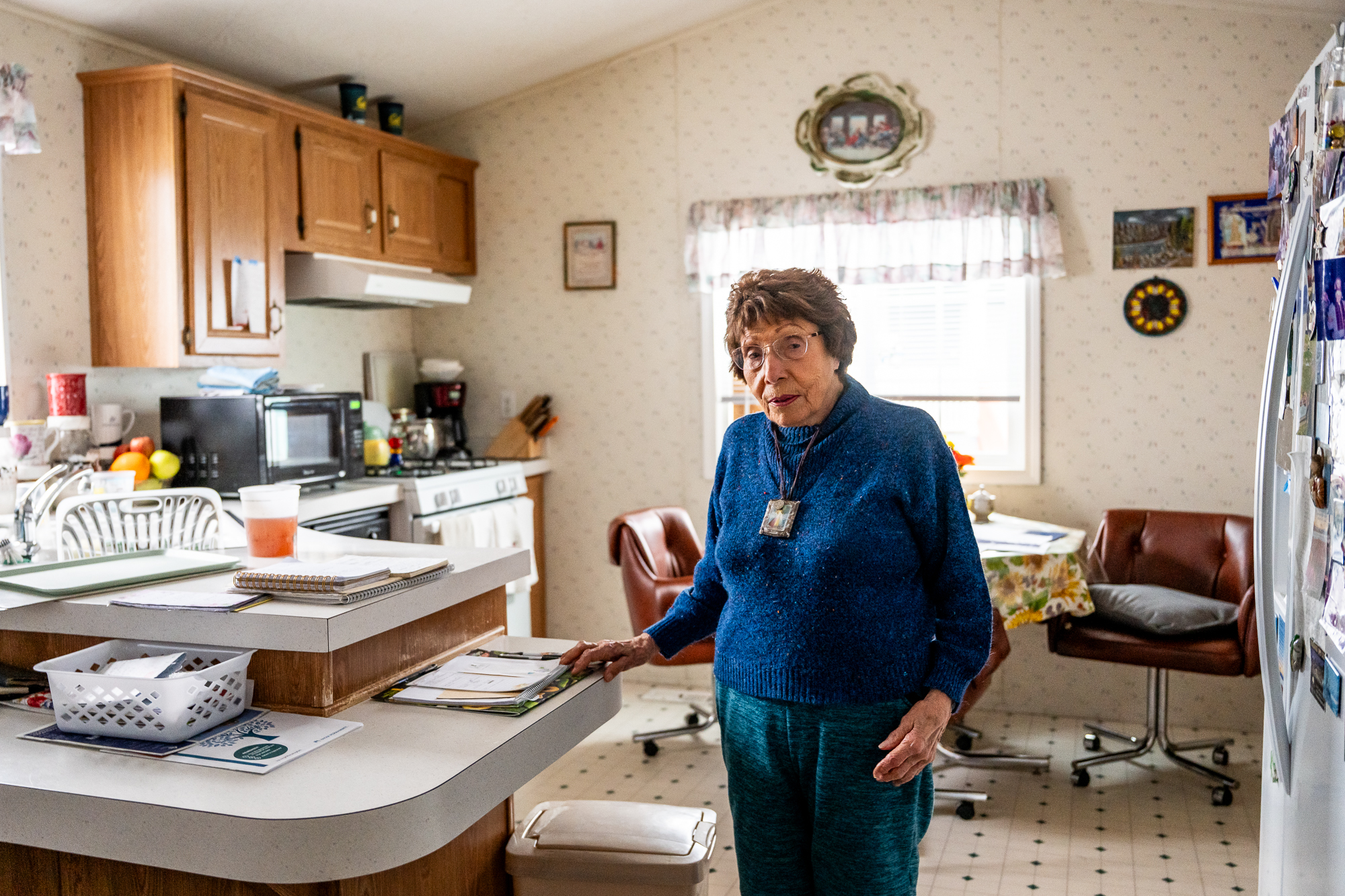
“I live on Social Security alone,” she said. “I just can’t pay that extra money.”
As disputes like the one at Willow unfold across California, it is drawing attention to the vulnerability of mobile home park residents and the patchwork of local protections. Some state lawmakers are working to bolster protections, even as industry groups challenge some efforts in court.
“It has shined an unfortunate light on the fact that the whole layer of rental opportunity has sort of gone without heightened scrutiny or a lot of targeted political action,” said Tyler Pullen with UC Berkeley’s Terner Labs.
Unlike most apartment renters who have a statewide rent cap and standard protections, mobile home park residents are only protected by local ordinances that vary widely from city to city. Some communities cap rent increases or require park owners to justify higher rents. Others have few protections, leaving residents subject to large increases.