

A NASA satellite caught a giant tsunami doing something scientists didn’t expect
A satellite designed to measure the height of the ocean surface was in the right place at the right time when a powerful earthquake off

A legendary fossil is forcing scientists to rethink human origins
An international research team led by scientists from La Trobe University in Australia and the University of Cambridge is questioning how one of the most
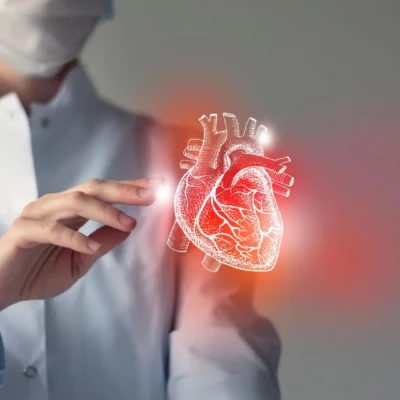
Type 2 diabetes physically changes the human heart, study finds
Researchers at the University of Sydney have uncovered new evidence showing that type 2 diabetes directly changes the heart’s structure and how it produces energy.
A hidden brain problem may be an early warning for Alzheimer’s
Scientists from Nanyang Technological University, Singapore (NTU Singapore) have found that the brain’s waste removal system often becomes blocked in people who show early signs

Did an exploding comet wipe out the mammoths?
Scientists are continuing to strengthen the case that a fragmented comet exploded in Earth’s atmosphere nearly 13,000 years ago. This event may have played a
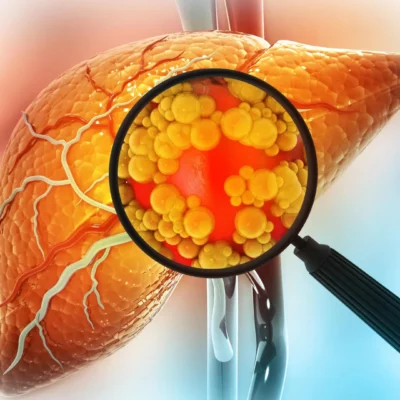
MIT study shows high-fat diets give liver cancer a dangerous head start
A diet high in fat is one of the strongest contributors to liver cancer risk. New research from MIT sheds light on why this happens,

Even one drink a day may raise mouth cancer risk
A large comparative study published online in the open access journal BMJ Global Health has found that even low daily alcohol consumption is linked to
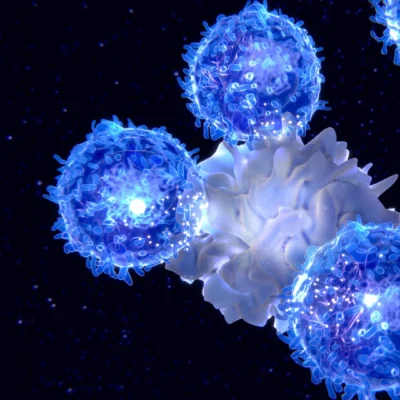
MIT scientists find a way to rejuvenate the immune system as we age
As people get older, the immune system often becomes less effective. Populations of T cells shrink, and the remaining cells may respond more slowly to
ADHD drugs don’t work the way we thought
Prescription stimulant drugs such as Ritalin and Adderall are commonly used to treat attention deficit hyperactivity disorder (ADHD), including among children. In the United States,
Stanford scientists uncover why mRNA COVID vaccines can trigger heart inflammation
Researchers at Stanford Medicine have identified the biological steps that explain how mRNA-based COVID-19 vaccines can, in rare cases, lead to heart inflammation in some