

Ancient microbes may have used oxygen 500 million years before it filled Earth’s atmosphere
Today, oxygen is essential to life and constantly present in the air we breathe. But for most of Earth’s early history, that was not true.

Giving people cash didn’t cause more injuries or deaths
Programs that give money directly to individuals are becoming more common across the United States. Still, they continue to draw criticism. Some skeptics argue that

Universe may end in a “big crunch,” new dark energy data suggests
A Cornell physicist has calculated that the universe may be nearing the halfway point of a total lifespan of about 33 billion years. Using newly

Scientists found a way to plant ideas in dreams to boost creativity
Most people have heard the advice to “sleep on it” when faced with a tough decision. New research suggests that guidance may be grounded in

Rocky planet discovered in outer orbit challenges planet formation theory
An international group of astronomers has identified a faraway planetary system that calls into question one of the most widely accepted ideas about how planets
New calcium-ion battery design delivers high performance without lithium
Scientists at The Hong Kong University of Science and Technology (HKUST) have reported a major advance in calcium-ion battery (CIB) research that could reshape how
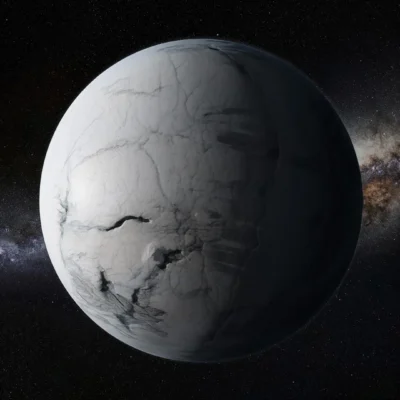
Snowball Earth was not completely frozen, new study reveals
Researchers at the University of Southampton have found new evidence that Earth’s climate did not completely grind to a halt during its most extreme ice
A massive ADHD study reveals what actually works
The most extensive evaluation of ADHD treatments ever conducted shows that medication remains the most reliable option for both children and adults. For adults, cognitive
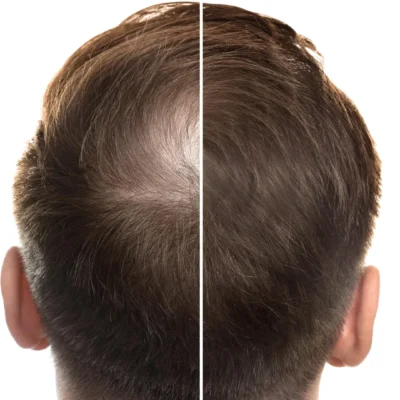
Ancient Chinese medicine may hold the key to hair regrowth
Androgenetic alopecia (AGA) is the most widespread form of hair loss, affecting millions of people around the world. Medications such as finasteride and minoxidil are
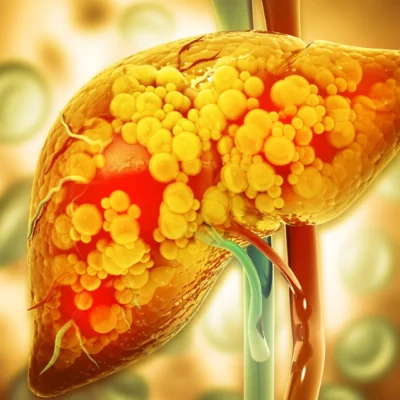
Scientists found a gut compound that helps protect the liver
Children whose mothers eat a diet high in fat and sugar during pregnancy and breastfeeding face a greater chance of developing fatty liver disease later