

Green hydrogen has a hidden problem and scientists may have fixed it
Green hydrogen is widely seen as a key pillar of the global shift away from fossil fuels. Yet making it at scale remains both costly

Study finds vegetarians over 80 less likely to reach 100
A recent study suggests that older adults who avoid meat may be somewhat less likely to reach age 100 than those who eat it. However,

50 year quest ends with creation of silicon aromatic once thought impossible
Major scientific advances often require patience, and this discovery is a prime example. After nearly 50 years of theory and repeated failed attempts by research
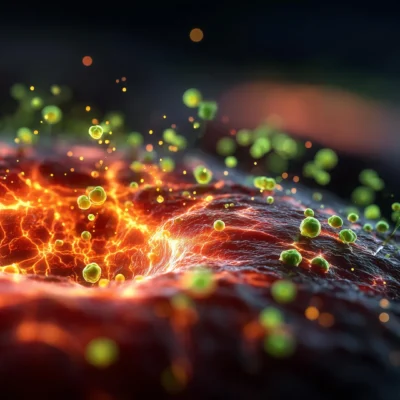
Scientists engineer bacteria to eat cancer tumors from the inside out
Scientists at the University of Waterloo are working on a new cancer treatment that uses specially engineered bacteria to consume tumors from the inside. The
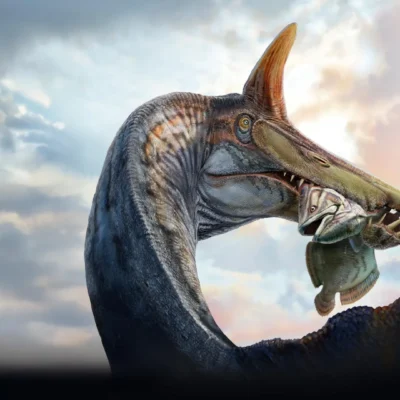
A giant blade-crested spinosaurus, the “hell heron,” discovered in the Sahara
A newly published study in Science announces the discovery of Spinosaurus mirabilis, a previously unknown species of spinosaurid dinosaur uncovered in Niger. The fossils were
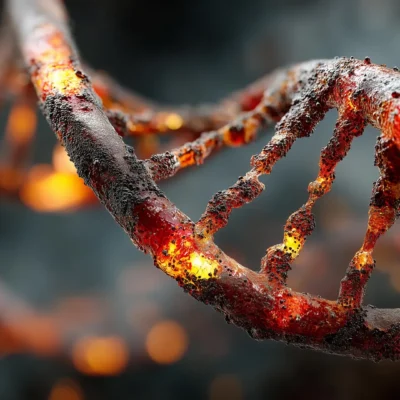
“Celtic curse” hotspots found in Scotland and Ireland with 1 in 54 at risk
People with roots in the Outer Hebrides and north west Ireland face the highest known risk of developing hemochromatosis, a genetic disorder that causes the
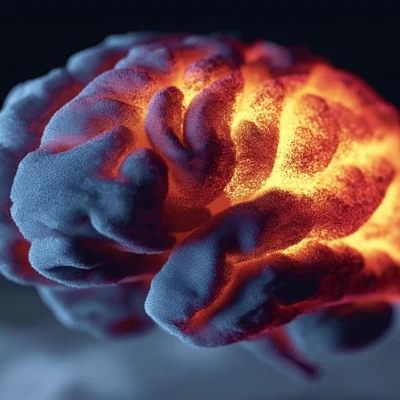
Common pneumonia bacterium may fuel Alzheimer’s disease
A common respiratory bacterium that typically causes pneumonia and sinus infections may also play a role in Alzheimer’s disease. Researchers at Cedars-Sinai report that Chlamydia
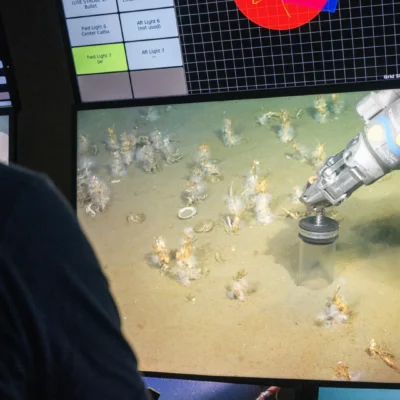
Scientists uncover oxygen-loving ancestor of all complex life
Scientists widely agree that complex life emerged after two very different microbes formed a close partnership. That merger eventually gave rise to plants, animals, and

Ancient drought may have wiped out the real-life hobbits 61,000 years ago
An international group of researchers, including scientists from the University of Wollongong (UOW), has uncovered strong evidence that shifting climate conditions contributed to the disappearance

Ancient microbes may have used oxygen 500 million years before it filled Earth’s atmosphere
Today, oxygen is essential to life and constantly present in the air we breathe. But for most of Earth’s early history, that was not true.