

Scientists say 7 days of meditation can rewire your brain
Researchers at the University of California San Diego report that a weeklong program combining meditation and other mind-body techniques can quickly produce measurable changes in

AI breakthrough cuts energy use by 100x while boosting accuracy
Artificial intelligence is consuming enormous amounts of electricity in the United States. According to the International Energy Agency, AI systems and data centers used about

Mars dust storms are sparking electricity and rewriting the planet’s chemistry
Mars is often portrayed as a dry, lifeless desert, but it is far more active than it appears. Its thin atmosphere and dusty terrain create
This 5-day diet helped Crohn’s patients feel better fast
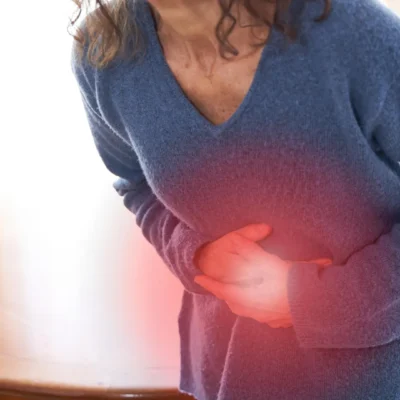
“What should I eat?” is one of the most common questions people with inflammatory bowel disease ask their doctors. It is also one of the
This tiny claw in a 500-million-year-old fossil just rewrote the origin of spiders
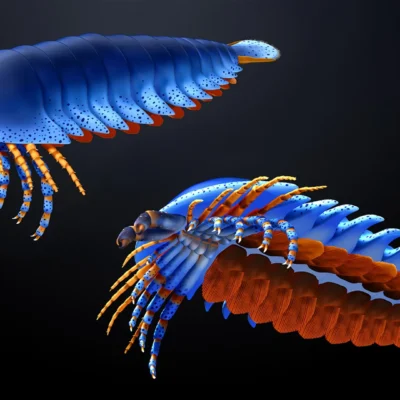
After a long day of teaching, Rudy Lerosey-Aubril turned to a familiar task: preparing a Cambrian arthropod fossil for study. At first glance, the specimen

What’s hiding inside colon cancer could change treatment
Colorectal cancer appears to stand apart from other cancers in a surprising way. New research from the University of East Anglia suggests it carries its
Scientists open 40-year-old salmon and find a surprising sign of ocean recovery
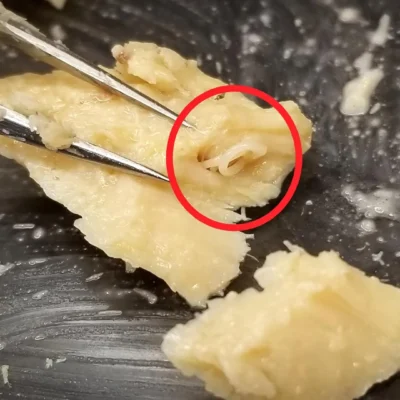
Alaska’s waters support one of the world’s most important salmon fisheries, sustained by complex marine food webs. Scientists are eager to understand how these systems

A surprising new idea about how the Big Bang may have happened
Scientists at the University of Waterloo have proposed a new way to explain how the universe began, offering a fresh perspective on the Big Bang

Just a few minutes of effort could lower your risk of 8 major diseases
Just a few minutes of vigorous physical activity each day may significantly lower the chances of developing several major diseases, including arthritis, heart disease, and
New cholesterol guidelines could change when you get tested
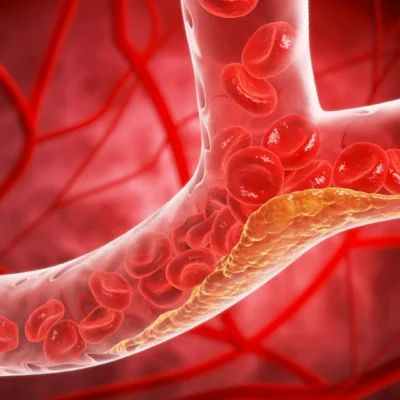
For the first time since 2018, the American College of Cardiology and the American Heart Association have released updated clinical guidance on how to screen