

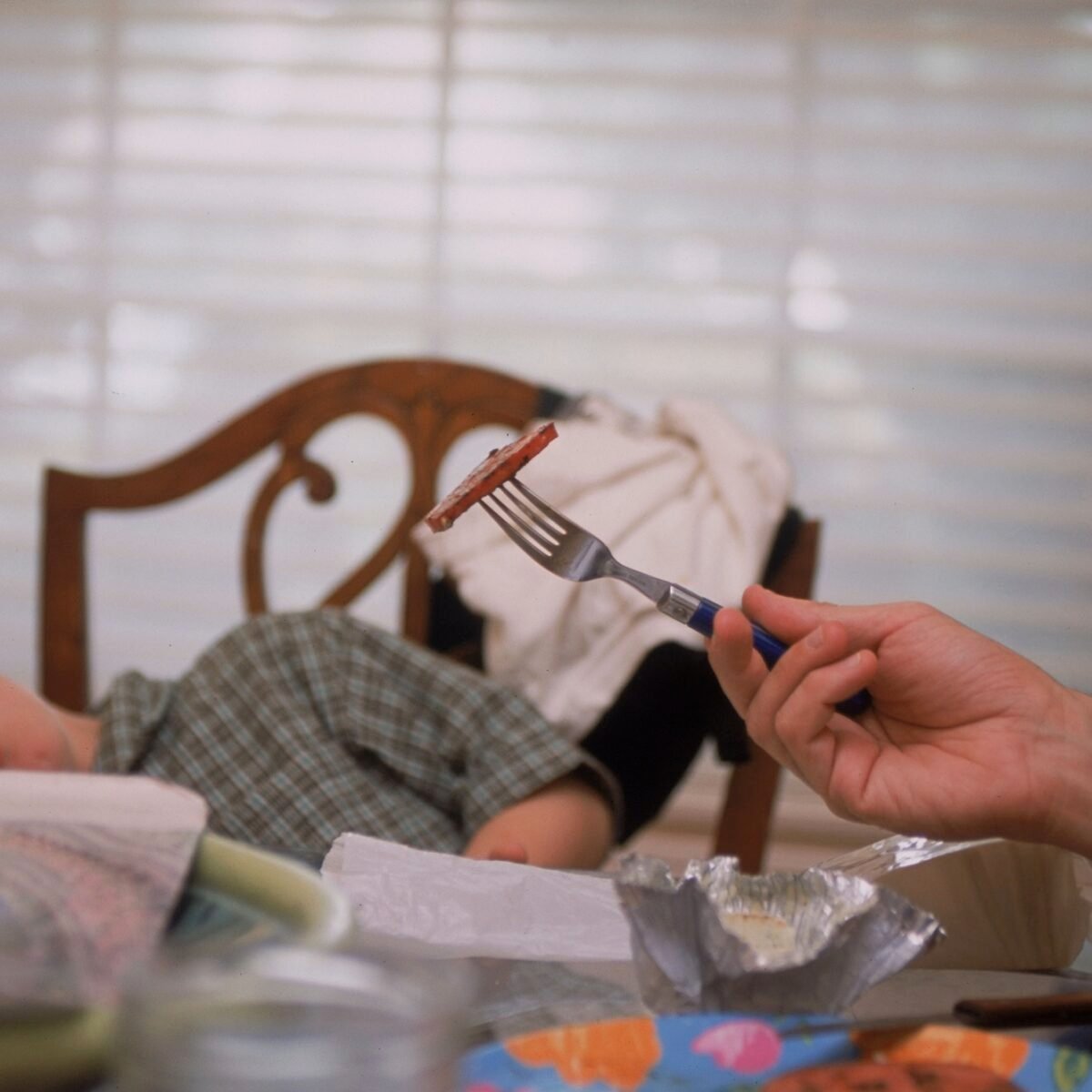
But the problem was that back in the 19th century, before the last part of the century, Americans didn’t know about germs. They didn’t know about viruses, microbes, contagion. They didn’t understand how this worked.
There was this group of reformers saying, “It must be the food.” The very fact that children were such broad eaters, they didn’t see that as fabulous back then. These reformers said, “I think it’s all this diverse food, this over-stimulating food.” It’s what we today would see as pseudoscience.
There was this real advocacy campaign to encourage parents to feed their children blander food. Now, not a lot of parents listened back in the 19th century.
These were relatively fringy ideas, but they started to catch on much more broadly in the early 20th century. By then, it was less about preventing child death, since germ theory was being established and mortality rates were falling. But it was more about protecting children’s supposedly vulnerable stomachs.
How does the taste of the food come into play?
Veit: It’s almost hard as a cultural historian to say this, but I do think deliciousness matters. So, on the one hand, highly processed food is flooding into Americans’ homes [in the mid-20th century.] It’s been designed in laboratories to be really palatable, to be salty, sweet, fatty, melty, crunchy, to have all of these properties that we really love at the same time.
Cooking styles had changed. So a lot of the vegetables were frozen or canned, or even the ones that were nominally fresh, they’d been shipped across the country or sometimes the world. They’d been stored for long periods of time. They weren’t as flavorful or fresh as the vegetables enjoyed in previous generations.
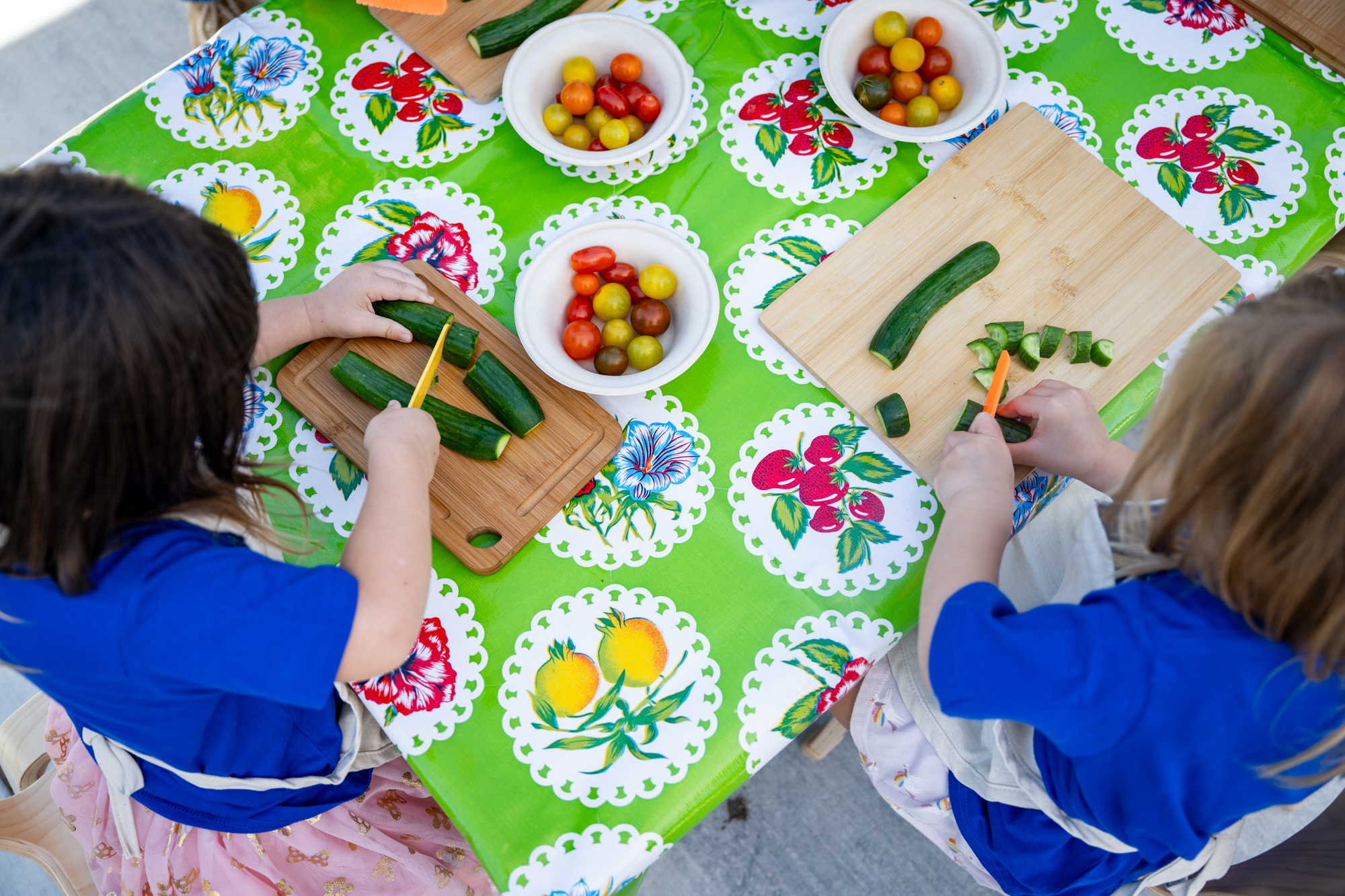
I do think cooking can be a really important tool. Now, of course, that leads to all sorts of other questions, like time. Do we have time to cook? How are our work-life balances structured? How are families structured? Who is doing this work? It also leads to things like, do we know how to cook in the first place?
One of the many things that I think could help with pickiness and maybe with life in general is if we reintroduced cooking classes to public schools. This is another thing that used to happen in the past. Of course, it used to be pretty gendered through home economics programs, at least in the mid-20th century. But we could reimagine public education to include this, maybe most basic of life skills.
How is this an American phenomenon — and is it spreading?
Veit: There’s so much to learn from other countries. Now, that being said, pickiness is spreading around the world. Where our highly processed food supply goes, so do ideas about children’s pickiness. And so also goes rising child obesity rates.
But there are still lots of places where you can find totally non-picky children. I actually just heard recently from a pediatrician who works in Harlem, and he works with a lot of children of West African immigrants there. And he says they arrive in the U.S. with fabulous diets. They love vegetables. They love all sorts of diverse foods. And they have pretty healthy BMIs. They’re tall. And then, within just a few years of being exposed to standard American children’s food, we see the same kind of health problems that we see with other kids. They adopt this highly palatable, more processed diet, and other problems ensue.
So what can you do to prevent picky eating before it occurs?
Fernandez y Garcia: There’s a lot of fear that parents have around the types of foods that they can start their kids on, following this idea that there are certain textures and purees that are safer for kids.
And I think that that misunderstanding of child physiology and anatomy of what they can handle leads them to restrict the types of foods that they’re having when they first begin to be able to have solid foods, which for us is generally around six months of age when they can hold their head up nice and straight.
So one way to avoid it is to start at that time, introducing lots of different tastes, textures — things that you prepare at home for yourself as an adult and let kids have at it.
[For my kids], there were some things that we did puree, and we started pretty early introducing them to different types of meats: chicken, fish, beef, pureed. But we also integrated things that they could chew on, that had flavor, had taste. But they couldn’t necessarily [eat] given their lack of teeth and jaw strength. You can gnaw pretty well on a corn cob, for example. Or on a bagel that’s frozen. These types of things stimulate the chew reflex. It activates a lot of the developing taste buds. So they can have a mix of both pureed stuff and things that are chewable.
Fernandez y Garcia: I think that feeding and learning to eat a broader array of varied foods is very developmental. And as kids grow and as they learn, there are influences from society and from our families that can help direct that to the outcome that we want.
In this case, we want them to eat varied food. So if we’re sitting at the table at our set times, it’s a positive thing. It’s an enjoyable thing, it’s time you get to spend with your family, people are making positive comments about the food that they’re enjoying, and all of that positivity and all that positive feedback, of course, will lead to them enjoying food in general.
How about for neurodivergent children who may have barriers to certain textures and colors?
Fernandez y Garcia: That is a very, very real cause. There’s celiac disease, there’s allergies to foods, you can have a lot of different gastrointestinal problems. Kids with chronic illnesses have a limited appetite. There are children who have difficulty with the oral motor function, or how they swallow.
And personality: some kids are just more rigid. And there’s neurodiversity. I think that all of these different things we have to work through and determine if that is a cause. And then if it’s something like that — which is a very small percentage of the kids who have picky eating — we would ask for help from our developmental specialists, our nutritionists, and there are different techniques that people whose kids have these different conditions can follow to make sure that they have a nutritious, balanced food intake that also is varied but it does take some special interventions.
Veit: ARFID stands for Avoidant Restrictive Food Intake Disorder. It is an eating disorder that was identified in 2012. It’s vital that if a child is really struggling to eat, parents seek medical help.
But some of our explanations for pickiness or problem eating, especially when they relate to things like texture or color, as a historian, I will just note that you don’t really see those historically. No one in the past thought children had issues around color. If they were talking about color, they were saying things like, “Add spinach and tomatoes because that bright color contrast will be so appealing to young children.”
Now this, again, doesn’t mean there aren’t biological aspects of what’s going on. Some children come out of the womb much pickier than others.
[But in many cases,] training and practice. We don’t think about this with children’s food a lot, but when given repeated multiple positive exposures, it turns out — certainly history suggests — that children can get used to vastly more interesting things than we think today.
What is an indicator that this could be a more serious issue that could use intervention?
Fernandez y Garcia: When you were talking about ARFID, one of the things that defines that is significant weight loss or inability to eat a varied enough diet to keep kids from having the nutritional, the broadness of nutritional intake that they need to grow normally.
Parents need to ask themselves often, “Why are they so concerned that their child is picky?” And the answer to that will often lead us to determine whether or not it’s a warning sign of something biomechanical or biological.
What are some shifts that you would like to see?
Veit: I think one of the deepest is parents having confidence that kids are actually capable of learning to like broad foods.
And of course, some of the comments from earlier, I just want to emphasize, if your child is having trouble eating, seek medical advice. This is crucial. There could be allergies, intolerances or other issues.
But what we see when we look across the world or in the American past is this stunning diversity of foods that kids used to genuinely enjoy. And if we can re-inject that confidence into parenting, I think that’s probably the biggest single tool that parents have — when presenting their kids with food, talking with them about it.
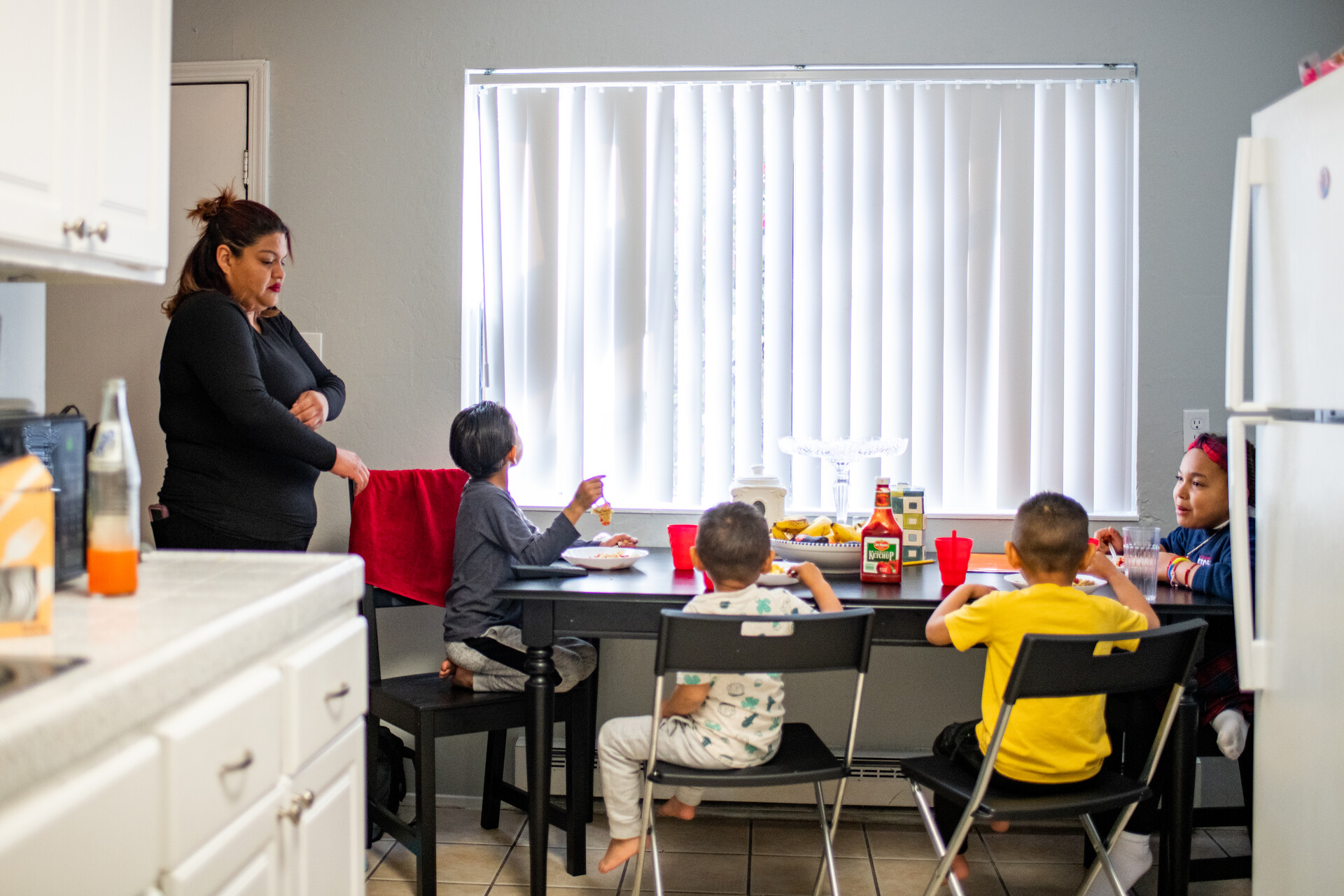
Another thing, too, is that parents have been told, “Don’t talk to your kids about health because health is boring. Don’t push any particular food because that will make a child hate it.” There’s no good evidence for that. There’s lots of evidence in the past that when parents enthusiastically promoted the foods they liked to eat, it helped kids learn to like them.
You can enthusiastically talk about the foods you love to eat. And you don’t have to hold back. Kids are capable of learning to like spicy foods, garlicky foods, fermented foods.
What do you do if your kid is already a picky eater?
Veit: From history, for most humans, there weren’t alternative meals. It wasn’t possible to create this alternative meal before refrigeration, highly processed foods or microwaves. And I know it’s so uncomfortable for parents because we’ve been told you’ll mess your kids up. But the idea that there’s one meal and that’s what there is, and if you don’t eat it, the consequence of not eating is hunger. This is not hunger as punishment.
Again, you have deep confidence that they can learn to like this food, but it’s a consequence of you not eating this beautiful family meal.
We’re comfortable having that kind of structure when it comes to seat belts, or tooth brushing, or going to school. We’re comfortable with the idea that some things kids just have to do. That could be a step toward getting your children to learn to love those foods again.
Fernandez y Garcia: Every family, again, has their own tolerances and their own approach to parenting and behavior change. Because that’s what we’re talking about: behavior change.
Avoiding negative feedback for things that we don’t like is much less effective than giving positive feedback when the behavior that we want happens.
If you’re going to have alternate foods, those should be foods that you choose as alternate foods. So if you cook a meal and the child doesn’t like it, you can give them an alternative, but that is one that the parent chooses.