
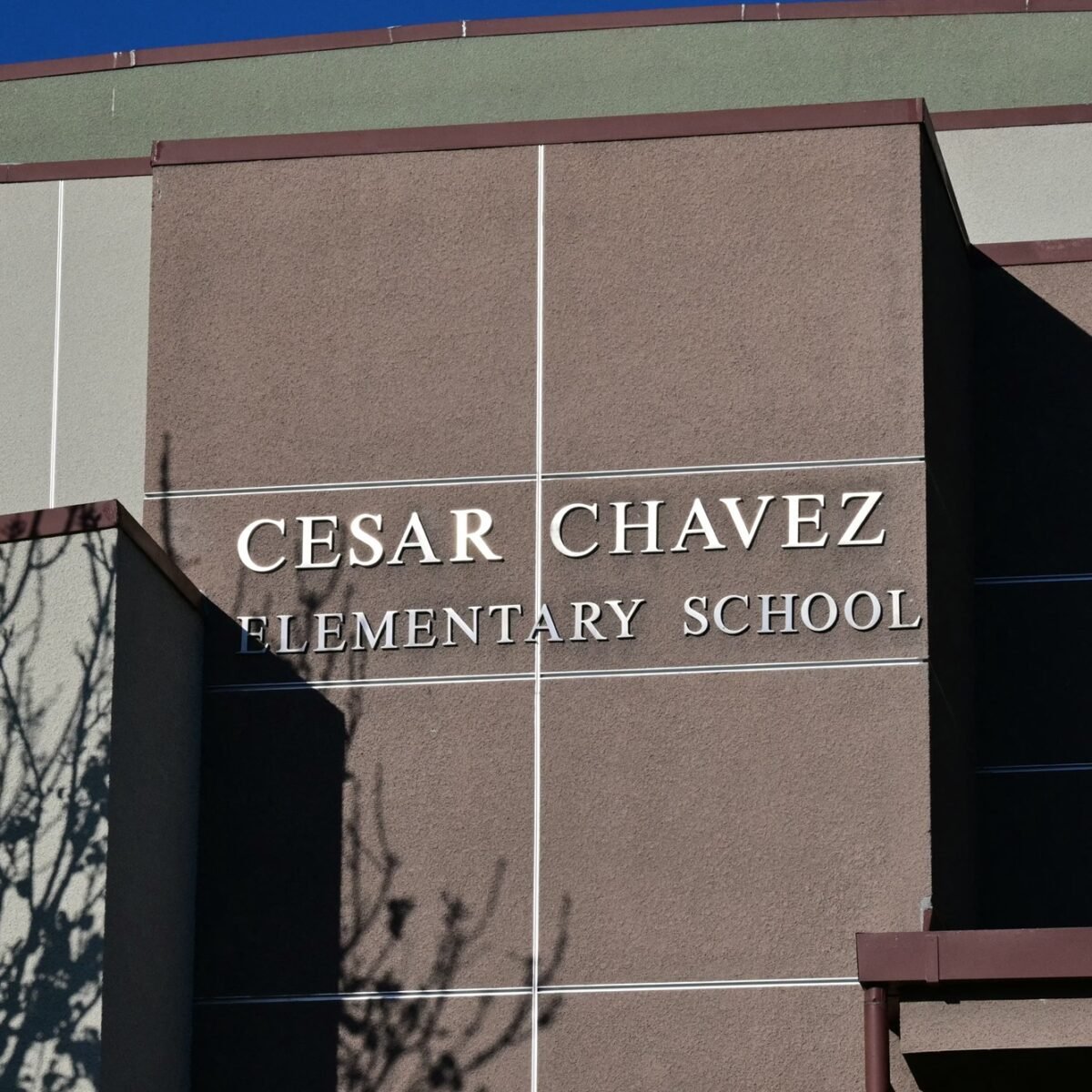
She and the program’s director quickly swapped his name for “campesinos,” which means “farmers,” and the show went on.
But in the aftermath of The New York Times’ investigation revealing allegations that Chavez sexually abused two young girls in the 1970s and raped United Farm Workers co-founder Dolores Huerta in the 1960s, teachers across the state are grappling with how to address his widely studied and once-revered legacy.
Shifting lesson plans
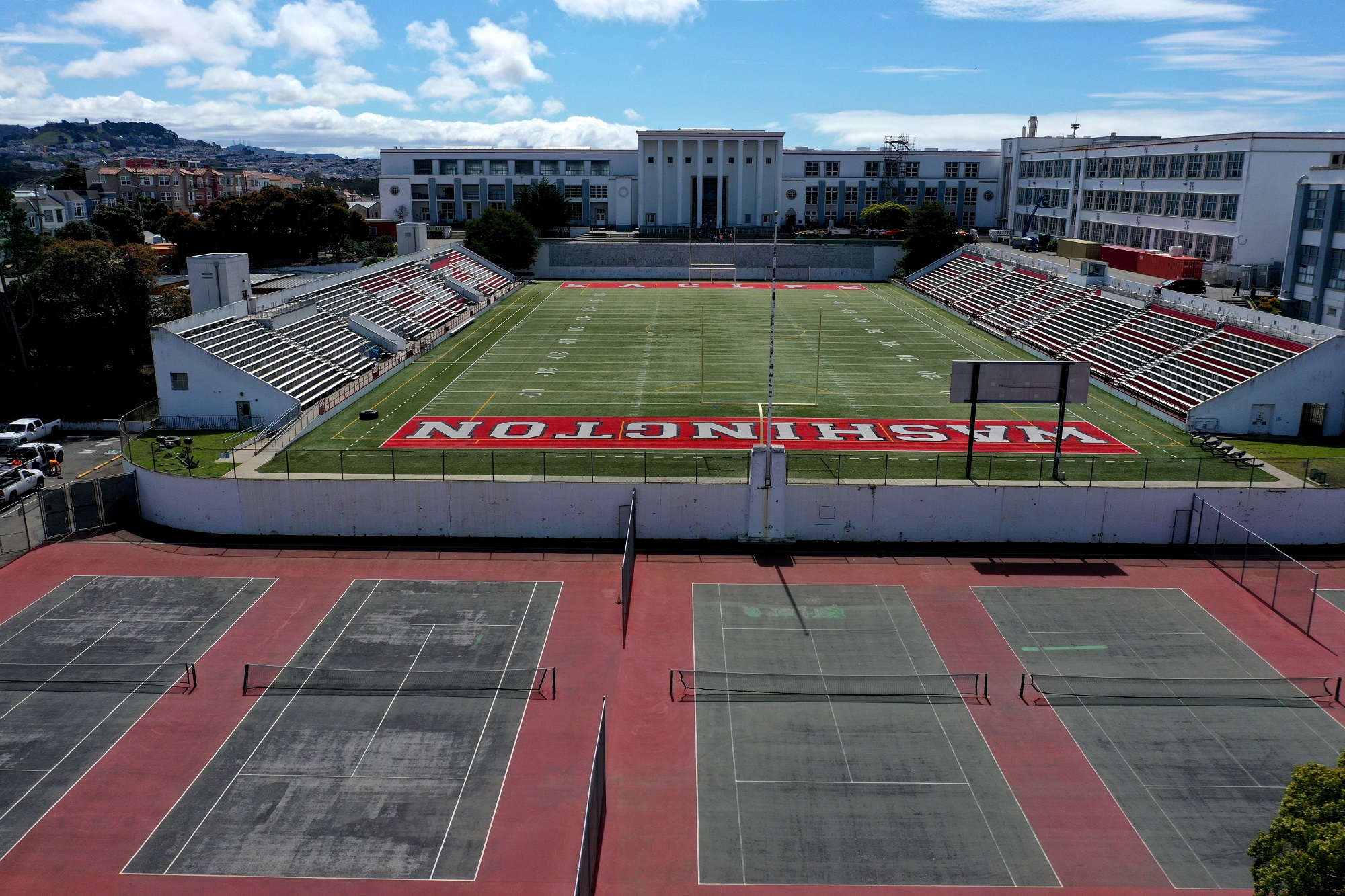
David Ko, a ninth-grade ethnic studies teacher at George Washington High School, said his students wanted to talk about the news immediately after the investigation was published on March 18.
“I had some students who, even before classes started, during passing period, asked me about it,” he said.
Every year, Ko teaches a lesson about Chavez just before his birthday on March 31, a state holiday that many students have had off school for years. In the past, he would ask his classes what they knew about César Chavez Day and teach them about Chavez’s roles in the Delano grape strike and the founding of the United Farm Workers labor union.
Now, he said, that lesson plan will be more complicated.
Ahead of the holiday, which falls during the San Francisco Unified School District’s spring break, Ko last week gave a broad overview of the Times’ investigation. He also pointed out that the state has already renamed its holiday to Farmworkers Day, and that cities and institutions are moving to swiftly scrub his name from streets, parks and more.
Chavez is prevalent in California’s curriculum frameworks and model lesson plans, and the state provides a long list of activities and resources for every grade level framed around César Chavez Day.
But Ko said he didn’t have to throw his existing curriculum out the window last week; he’s never portrayed Chavez as solely a “hero” in the farmworker movement.
“There’s people who have done remarkable, amazing accomplishments in advancing people’s rights, and also, even before the most recent allegations, it’s also possible for those same people to have harmful ideas,” Ko told KQED.
A complex legacy
For years, Ko’s classes have studied the more nuanced parts of Chavez’s legacy, such as his opposition to undocumented immigrants working on farms.
At least in San Francisco, many educators have shifted their focus away from Chavez when they cover the farmworker movement.
“Students are often taught, ‘This one great man who was so exceptional, did all these amazing things and they are the reason that these rights happened,’” ethnic studies teacher Samantha Aguirre said. “What they don’t always learn is that it was hundreds, tens of thousands of people behind them in the movement.”
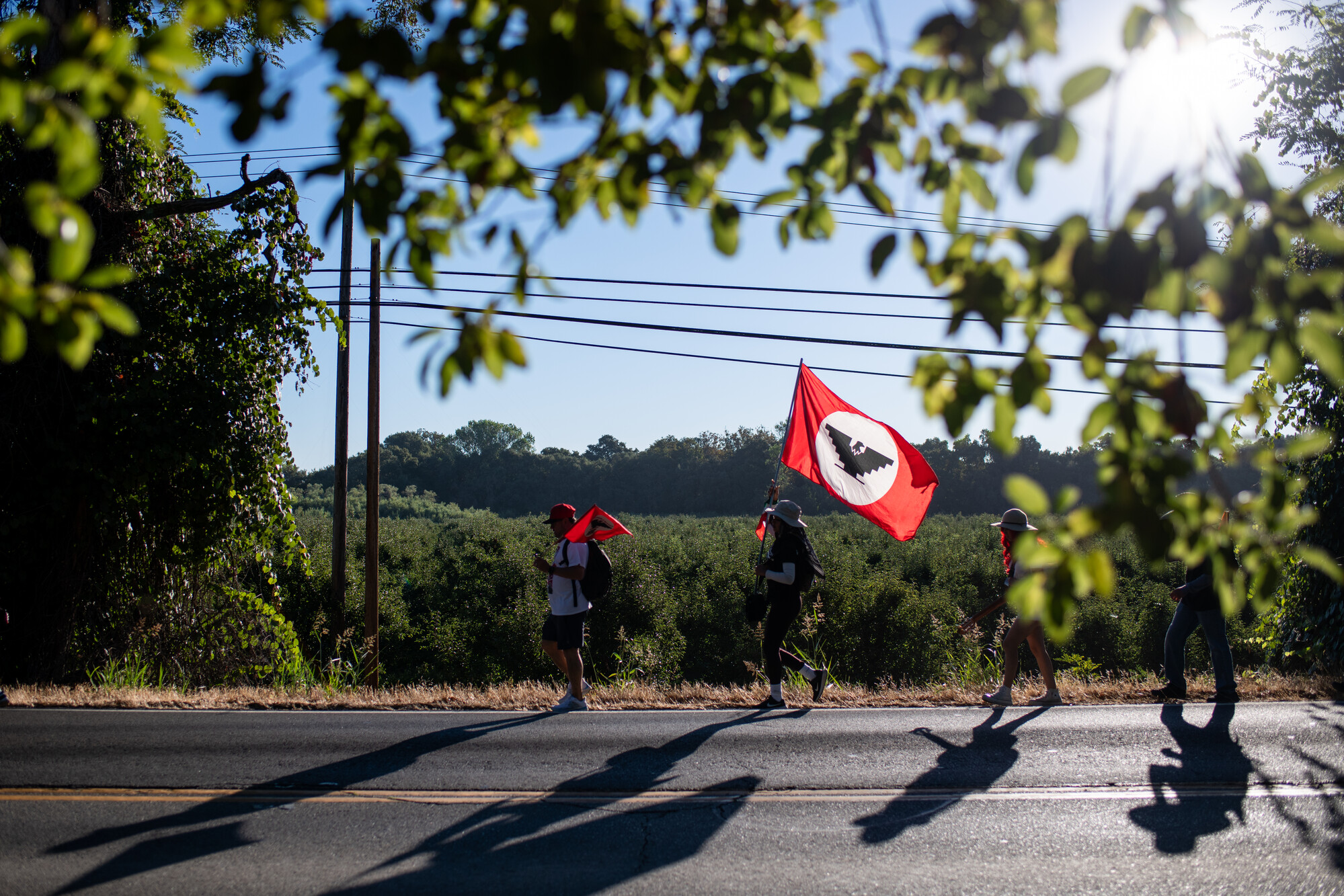
She focuses on the lesser-known Filipino leaders of the movement, including Larry Itliong and Philip Vera Cruz, as well as the contributions of women like Huerta.
“The Filipino farmworkers formed AWOC [the Agricultural Workers Organizing Committee] and started staging resistance movements and protests before Latino groups,” she said. “If it wasn’t for those Filipino farmworkers, it wouldn’t have galvanized and they wouldn’t have worked together and helped the Latino farmworkers form the United Farm Workers.”
Now, Aguirre plans to include the allegations against Chavez as another part of the movement’s complex history.
“Hearing Dolores Huerta saying, ‘He assaulted me, but I felt like I couldn’t say anything because it would be bad for the movement,’ I think that is an important lesson,” Aguirre said. “It is important for students to know and be able to speak out when things are wrong.”
How to address a delicate subject?
Integrating the revelations into class won’t look the same for all grade levels.
Ko said that with his high schoolers, he pointed out that Chavez is accused of targeting young girls, but he referred his students to The New York Times and other trusted news sources if they wanted to read specifics, to avoid sharing information that could be unnecessarily triggering.
When it comes to addressing the allegations with younger students, Aguirre said, “there are developmentally appropriate ways for teachers to acknowledge and to talk about it.”