

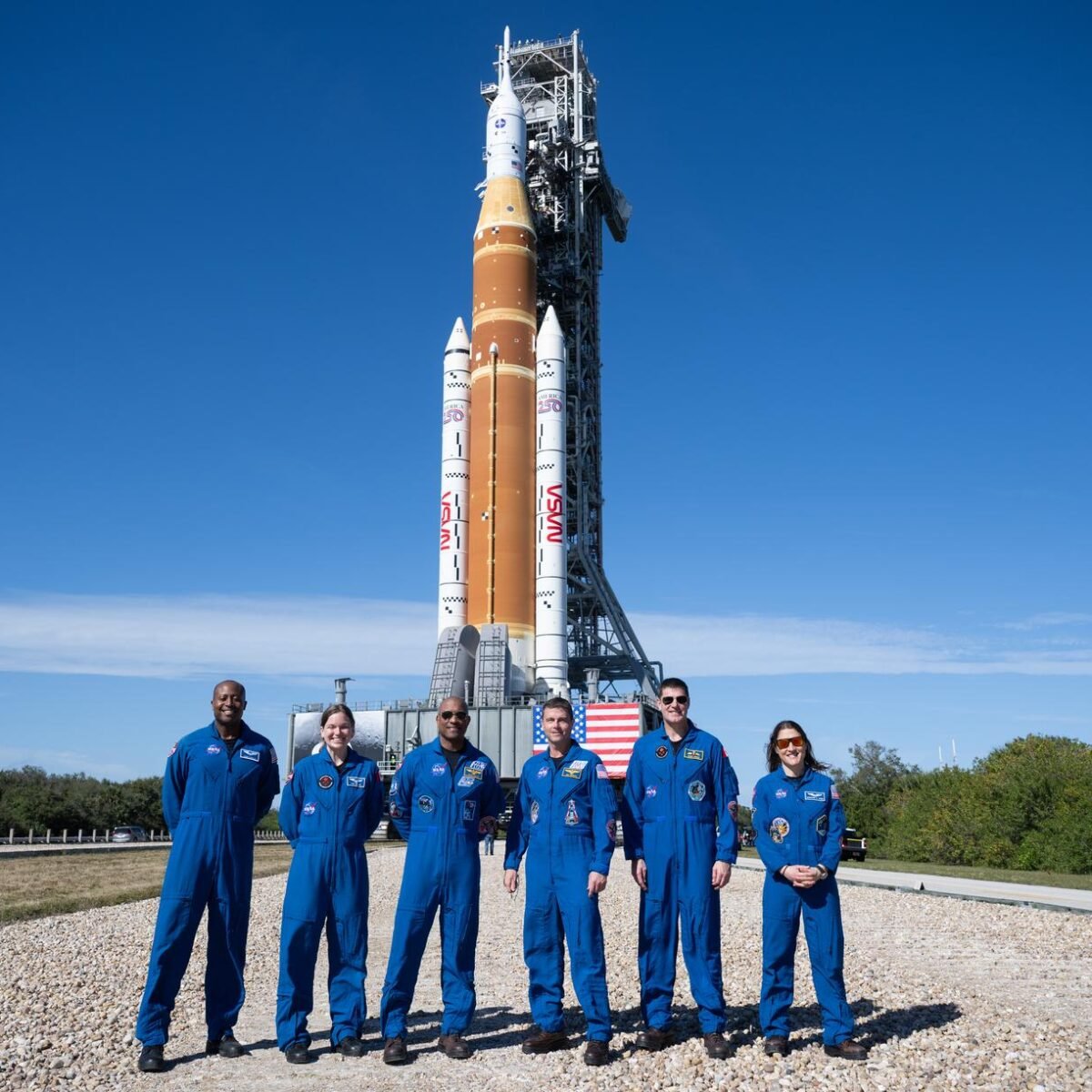
The astronauts have been quarantined since March 18. Tu said the astronauts are very excited about this trip.
“This is going to be historic,” Tu said. “They have been training for a while, certainly years.”
The schedule for launch was previously delayed by a hydrogen leak issue discovered in a previous attempt. NASA had to roll the vehicle back to the Vehicle Assembly Building to address the challenge.
The launch also faced delays by what Tu called “orbital mechanics,” or the factors shaping the ideal window to go to the moon.
“But we’ve addressed those issues, and we feel we’re ready to go,” Tu said.
Artemis II is part of a system intended to get humans to the moon more frequently, with the goal of eventually exploring further out into outer space. NASA’s administrator said earlier this week that there are plans to build a moon base.
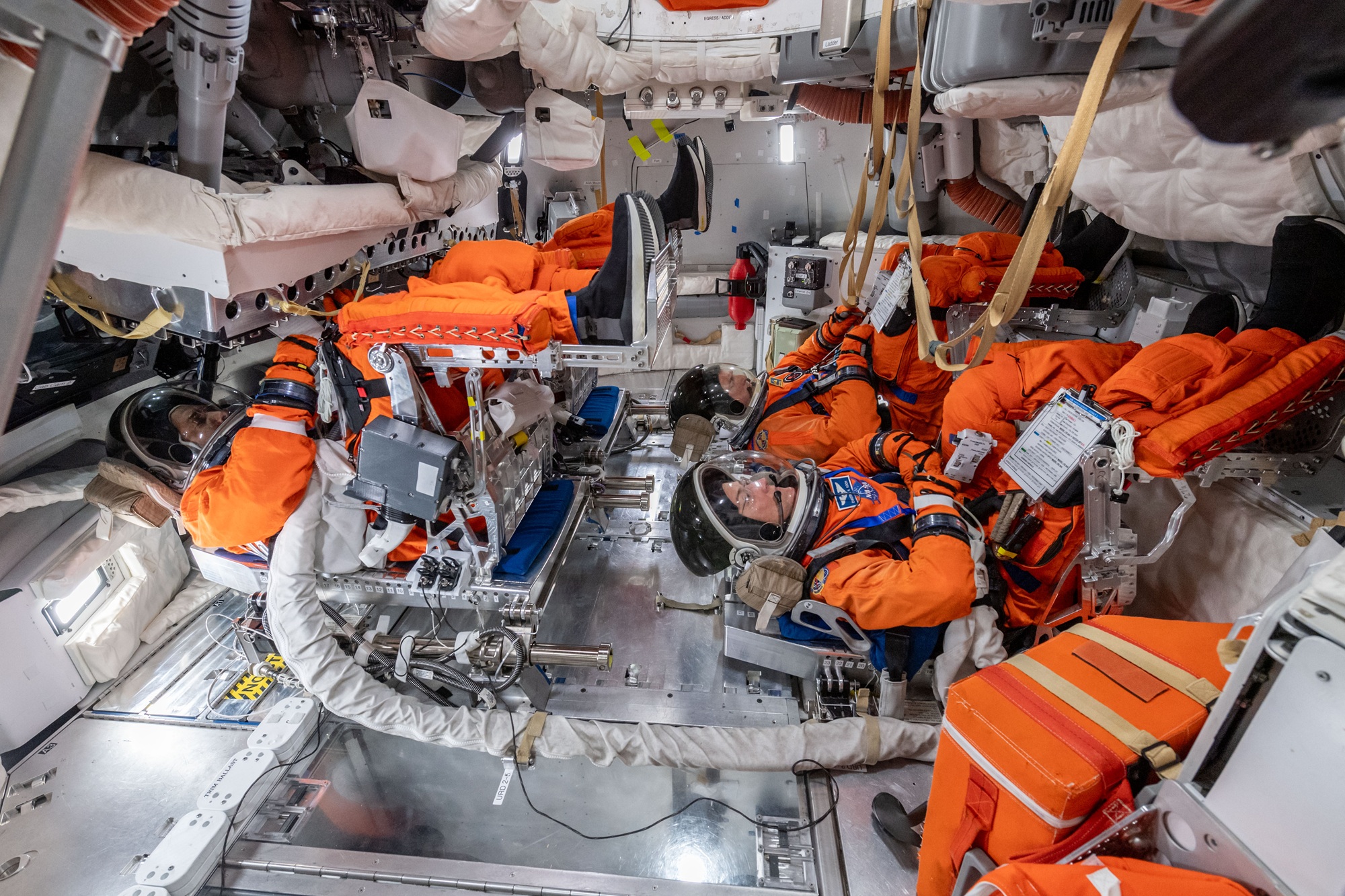
“The Apollo missions … were only on the surface of the moon for a number of days,” Tu said. “But this time, we are going back to the moon to establish a permanent presence, a sustained presence, and also learn what we need to learn to eventually bring humans to Mars.”
He said there are industries and commercial entities interested in the moon, and Artemis 2 is a stepping stone to space tourism.
“There’s the commercial aspects of lunar exploration. There are industries and commercial entities that are interested in potentially resources on the moon, maybe even eventually tourism on space, tourism to the moon. And so this is really a stepping stone to that, to that future of sustained presence beyond low Earth orbit,” he said.
Mission Artemis II has been years in the making, but NASA is already planning to launch Artemis III next year with further testing.
Artemis IV, a lunar landing mission, is also on the horizon. Artemis V will continue that work, and future plans could include commercial launch vehicles.
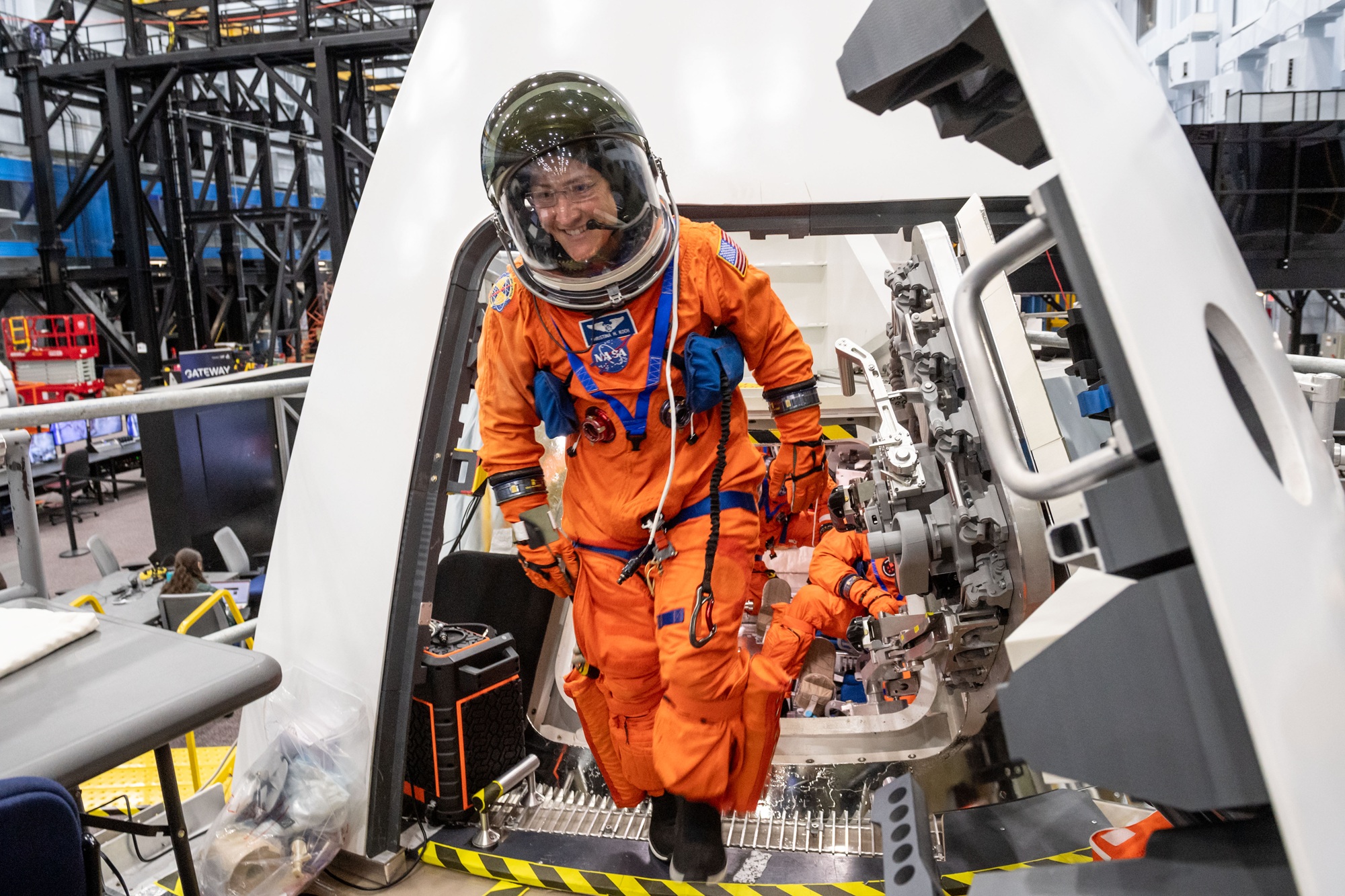
Tu said it’s too soon to speculate on Mars because there is much to learn from the Artemis missions.
“The journey to Mars is going to take a bigger effort and is going to require partnerships with the commercial sector, maybe even international partnerships,” he said. “But this is the first stepping stone.”
The Artemis II launch, from Florida’s Kennedy Space Center, can be livestreamed via NASA’s YouTube channel.