
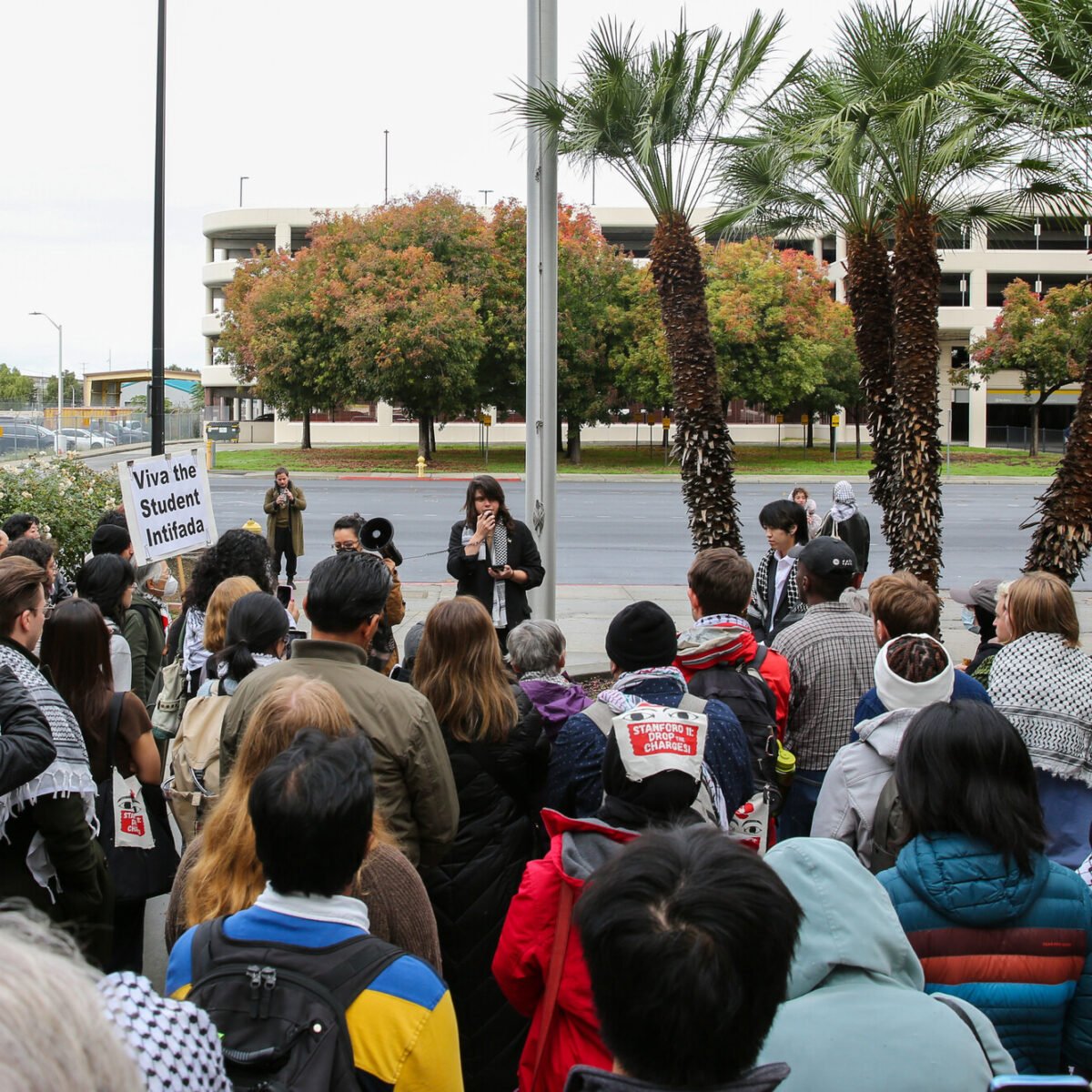
Defense attorneys focused their case on the motivations of the protesters, who they said were acting out of a humanitarian concern during what they view as an ongoing genocide, and fear that doing nothing would lead to more suffering in Gaza.
Anthony Brass, one of the attorneys, said the actions came only after Stanford leaders ignored months of demands for discussion about divestment from companies supporting Israel’s military.
The school put the students in an “impossible situation,” he said during opening statements.
Prosecutor Rob Baker told the jury that the case was simple, and said protesters planned and prepared for their action, including bringing equipment and tools to block doors and cover cameras. He said they caused tens of thousands of dollars in damage.
Baker, in his closing arguments, told the jury that their verdict “does not mean that you are supporting genocide” or that they don’t support Palestinians, and he said he believed the defendants were good people.
Singh said Friday he hopes the DA’s office takes another look at the motivations of the protesters in its decision to retry the case.
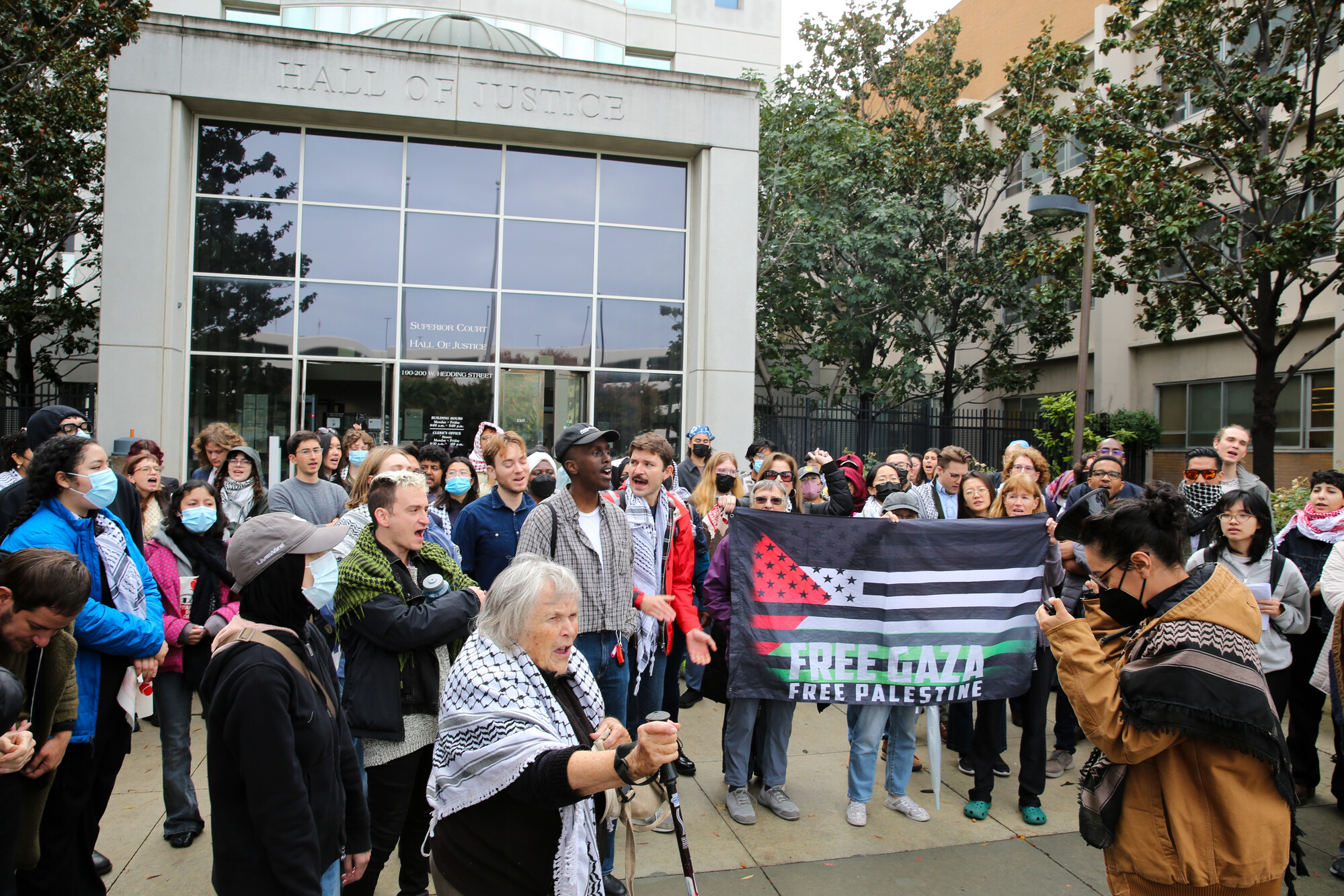
“There was no question or dispute that these people were motivated by a deep commitment to human rights. And the district attorney’s office should consider that as they weigh whether the interests of justice support bringing a new case,” Singh said.
While thousands of protesters were arrested at college campuses across the country for protest-related activity over the Gaza war in 2024, few of the cases saw felony charges filed, and many of the lesser charges were eventually dropped.
Attorneys for the defendants and their supporters accused the Santa Clara County District Attorney’s Office of seeking overly harsh punishment to chill political protests and speech related to the plight of Palestinians, which the DA’s office refuted.
The case also saw heated pretrial motions over whether and how often the word “genocide” could be used during the trial.
A hearing to set a date for a new trial is scheduled for Feb. 25.