

The movement for reparations at the state Capitol, which was buoyed by the creation of a task force to study the issue in 2020, appears to have stalled. Last year, Gov. Gavin Newsom vetoed a handful of reparations bills that would have allowed the descendants of enslaved people to receive preference in university admissions, business licenses and loans for first-time homebuyers.
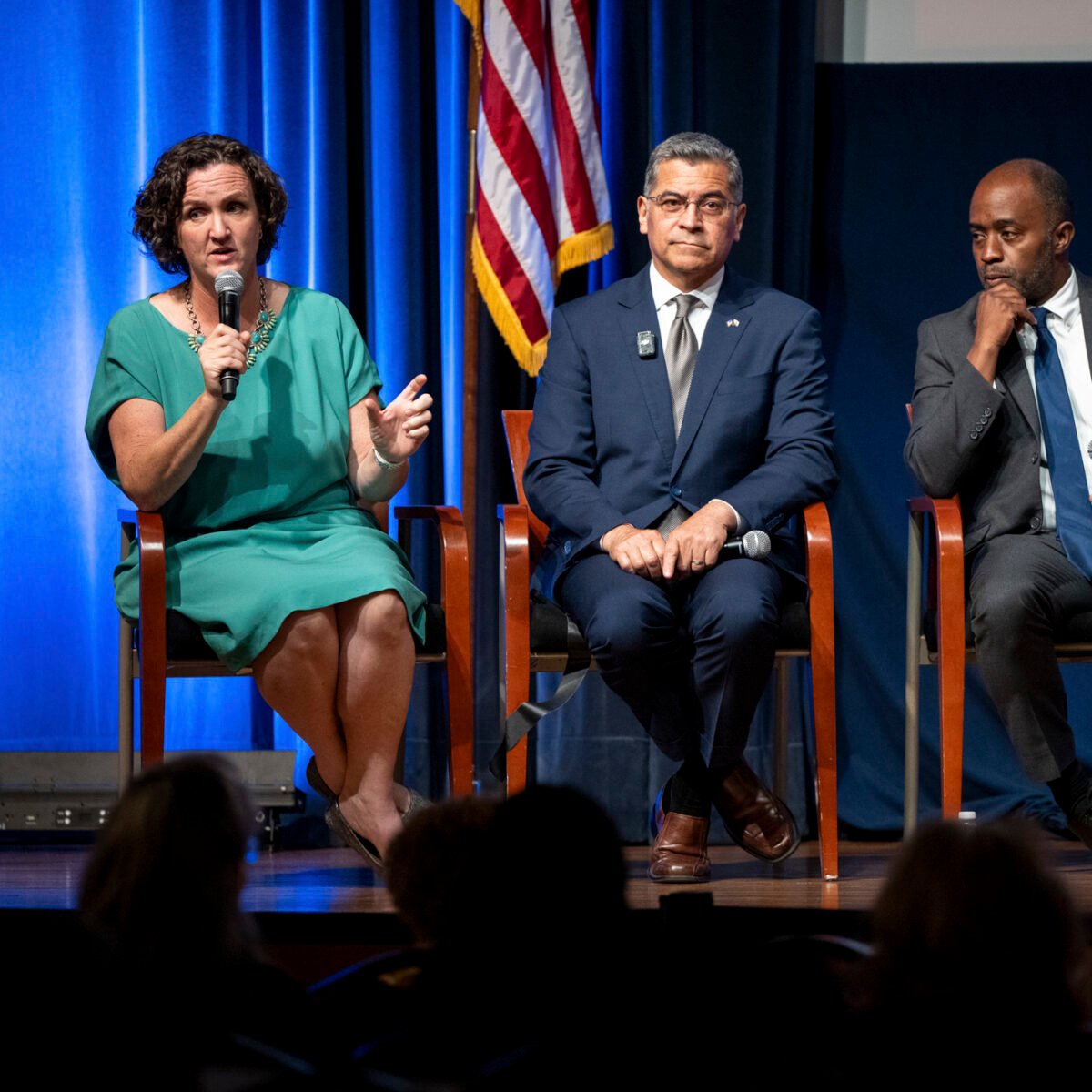
Oakland Mayor Barbara Lee, who endorsed Thurmond on Monday morning, closed the forum by asking the candidates to detail their first action “to ensure that African Americans and people of color and marginalized communities can thrive economically?”
“I will sign as governor a reparations package that gives loans to Black folks who want to start a business, to go to college or to pay for a home,” Thurmond said. “Because having a home is the American Dream. It is slipping away, and we have to close the gap of disparity.”
The Urban League survey, which polled 400 people living in the Bay Area, revealed three top policy priorities for Black residents: housing affordability and homeownership, homelessness and inflation/cost of living.
Those results mirrored the findings of a recent Public Policy Institute of California poll that found “cost of living/economy/inflation” and “housing costs/housing availability” as the top two issues for residents statewide.
Former U.S. Rep. Katie Porter said she would focus on lowering the costs of housing and child care. Former Attorney General Xavier Becerra promised to freeze utility and property insurance rates.
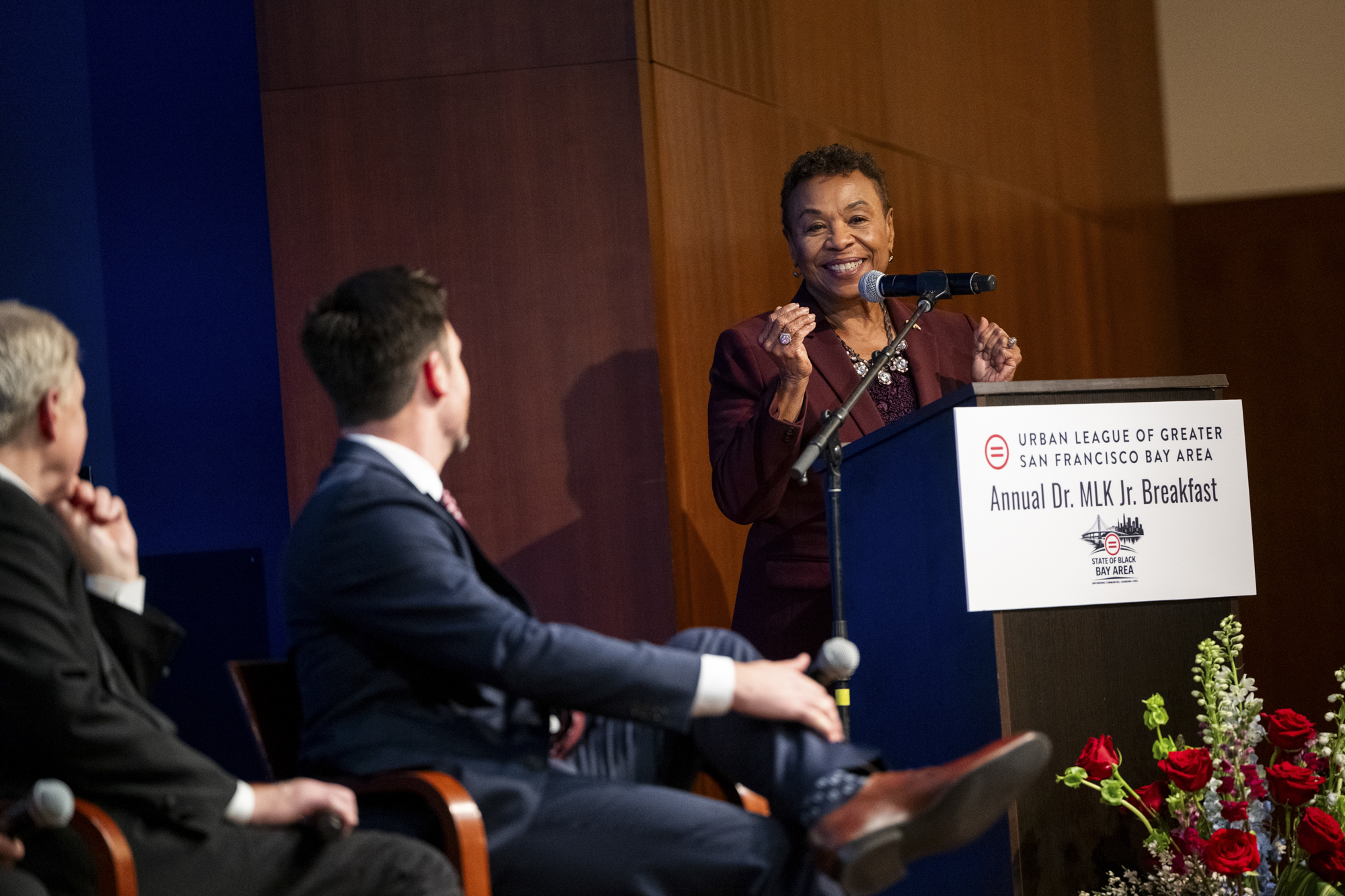
Betty Yee, the state’s former controller, said she would permanently fund city-led initiatives to reduce homelessness, while former San Gabriel Valley Assemblymember Ian Calderon proposed a fee on corporate real estate investors.
Porter has sat atop most public polling alongside three candidates who were not at Monday’s event: Rep. Eric Swalwell, a Democrat, and two Republicans — Riverside County Sheriff Chad Bianco and commentator and businessman Steve Hilton. But large swaths of the electorate remain undecided.
Urban League of Greater San Francisco Bay Area President Kenneth E. Maxey II told KQED that candidates must confront the reality that the state’s powerful economy — the fourth-largest in the world as measured by gross domestic product — is not working for all residents.
“They were able to articulate their commitment and their desire to help and make sure that this economy involves everyone, in particular for today, the African American population,” he said.