
“They’re doing that to generate evidence for a policy they have already implemented,” Scott said. “It’s clearly going to cause far more harm than any benefits.”
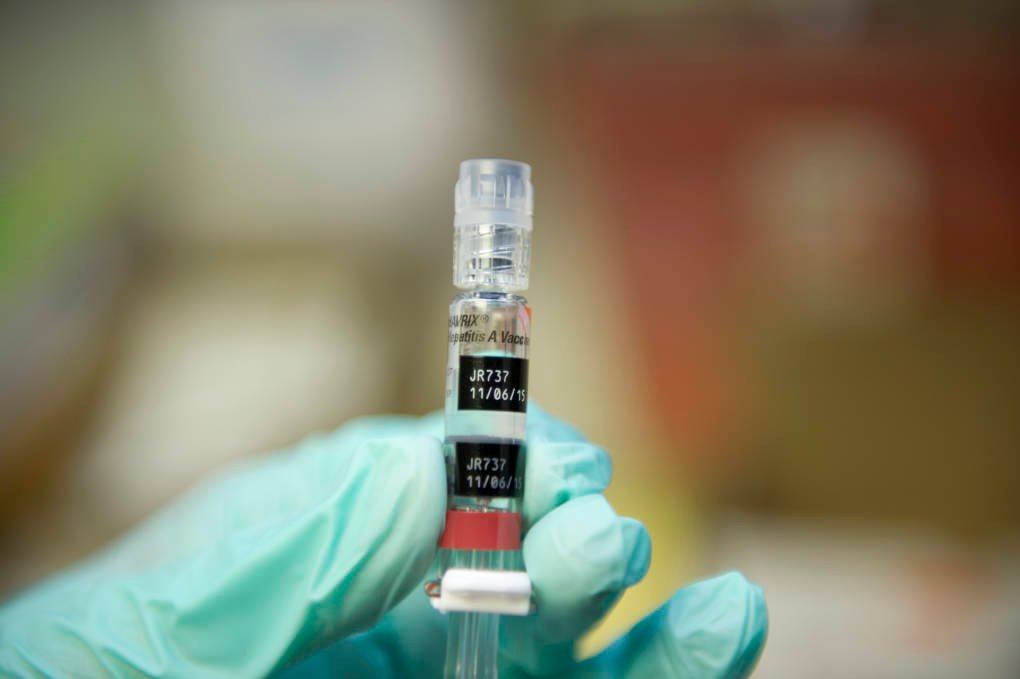
Scott estimated that if the birth dose is successfully rolled back on a larger scale, it could lead to 1,400 additional chronic pediatric infections and nearly 500 preventable deaths annually.
According to background information from the House Science Committee staff, the research group did not apply for an award through a standard competitive process; instead, staff said Kennedy specifically sought out the researchers.
“The typical way of going about it is to put out a request for proposal … and fund the most rigorous study,” Arthur Reingold, a former professor of epidemiology at UC Berkeley and a former Chief of the Respiratory Diseases Branch at the CDC, said. “Obviously, that was not done in this case.”
Reingold added that without a detailed study protocol, it is impossible to know if the trial can actually measure the “broader health effects” HHS claims to be looking for. He warned that if a study lacks the statistical power to answer important questions, it is a “waste of money.”
The House Science Committee stated it is considering all oversight options, though staff noted their authority is currently limited by their status in the Minority.