

Richard Toshiyuki Drury, an environmental attorney, submitted a letter to the Board on behalf of the local group Neighborhoods United ahead of Tuesday’s vote.
“The rezone opens up thousands of rent-controlled units for high-density, market-rate development, virtually ensuring that thousands of low-income residents will be displaced to make way for luxury housing,” it read.
Other groups said the city isn’t offering enough resources for businesses that could be forced to relocate or close because of new development.
“If a small business were to call the Office of Small Business today with a request for assistance from a non-renewal of their lease, there are no immediate grants or loans available through the envisioned construction mitigation fund,” said Nick Parker, owner of Mercury Cafe and a board member of the progressive business coalition Small Business Forward, in a statement.
Analyses of the plan suggest mixed results for the actual amount of housing the plan might lead to, due to economic constraints and costs. Supervisors at Tuesday’s meeting acknowledged that rezoning alone won’t fix the city’s housing problems and said that funding and enhanced financing mechanisms are equally essential to opening new units.
Over the last few months, supervisors have put forward amendments to the plan in an effort to limit displacement, protect small businesses and local landmarks, and alleviate other concerns residents have raised in community forums.
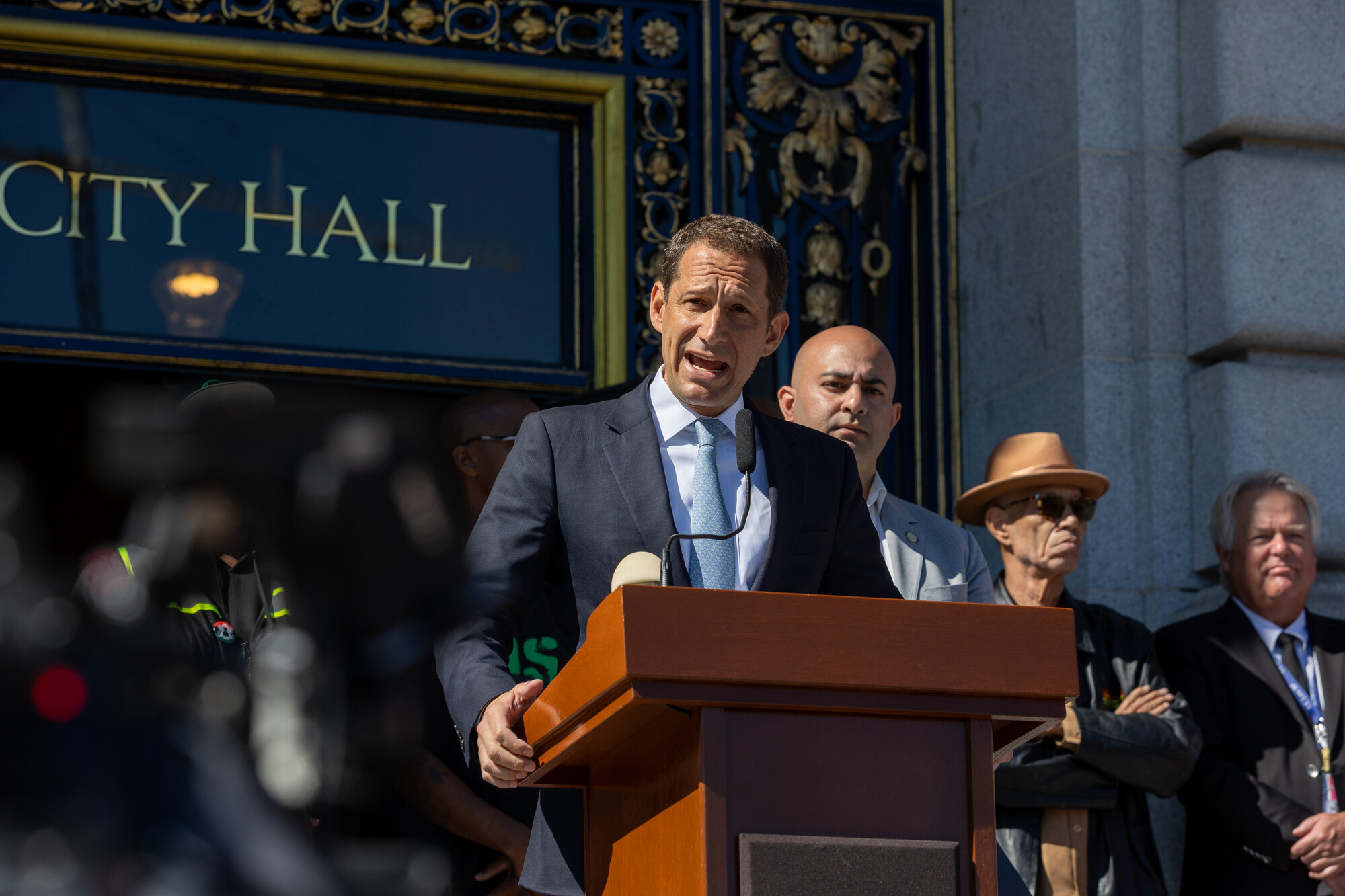
“For months, my team and I have worked with the supervisors and communities across the city to make sure this plan meets our state obligations in a way that works for our neighborhoods,” Lurie said. “I am grateful to all the residents and leaders who came to those events, shared their feedback, and helped us strengthen this plan.”
Supervisor Myrna Melgar’s proposal to exempt buildings with three or more rent-controlled units from demolition was included in the plan passed on Tuesday. The exemption will shield about 80,000 rent control units from demolition. Some rent-controlled units could still potentially be bulldozed to make way for denser development, but that would first require approval from the Planning Commission.
“The southeast side of the city, including the Mission District, has seen vastly more market-rate development than well-resourced parts of San Francisco,” said Fielder, whose district includes the Mission. “In the Mission District, this has meant the displacement of around 12,000 Latinos.”
Chan, who represents the Richmond District, made a last-minute push on Tuesday for an amendment to protect all rent-controlled units from demolition, but it failed to pass by a 7–4 margin. Supervisors opposing the change said it risked putting the plan out of compliance with the state by removing units from the plan.

“I’m disappointed where we are at,” Chan said at Tuesday’s meeting. “I’m disappointed that we are not choosing the path to negotiate or frankly even fight some of these [state] mandates.”
In 1978, San Francisco downzoned swaths of the city to limit housing construction on the west side while concentrating most new development to east-side neighborhoods like South of Market and the Mission.
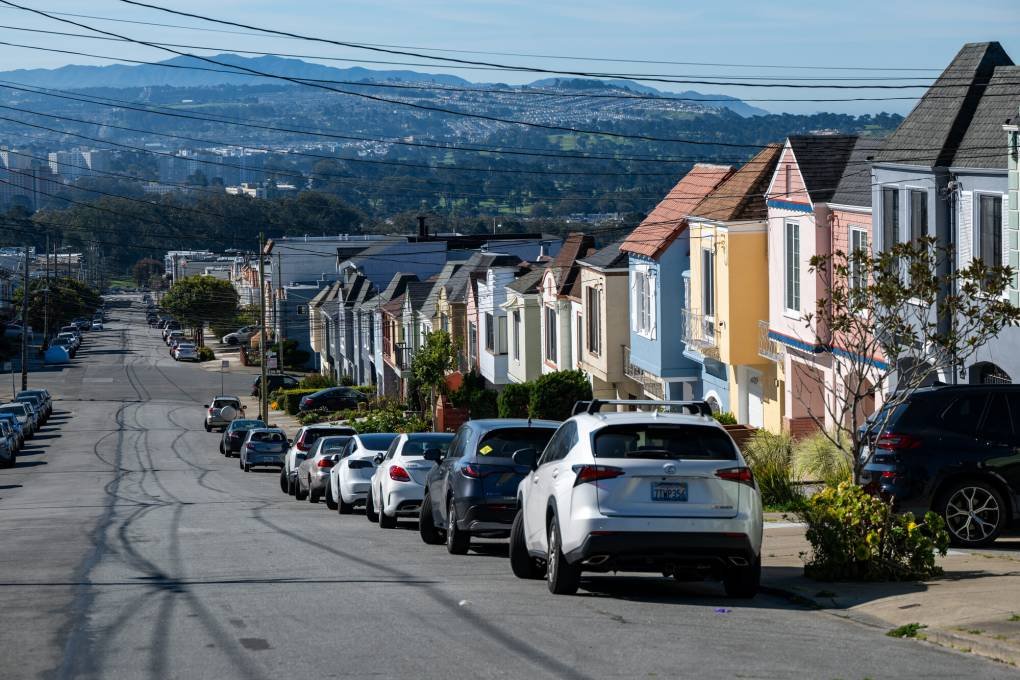
The new plan changes zoning rules for about 96,000 parcels, but does not upzone universally across the city. It enables moderate height increases of two to four additional stories, primarily near transit lines or other commercial corridors on the west side. It also allows for high rises between 12 and 65 stories on select major thoroughfares, such as Van Ness Avenue, Market Street and Geary Boulevard.
“I have always been supportive of bringing more housing options to my district,” Melgar said. “The west and north side of the city built very little housing … In this rezoning, we are building a more equitable and accessible tomorrow.”