

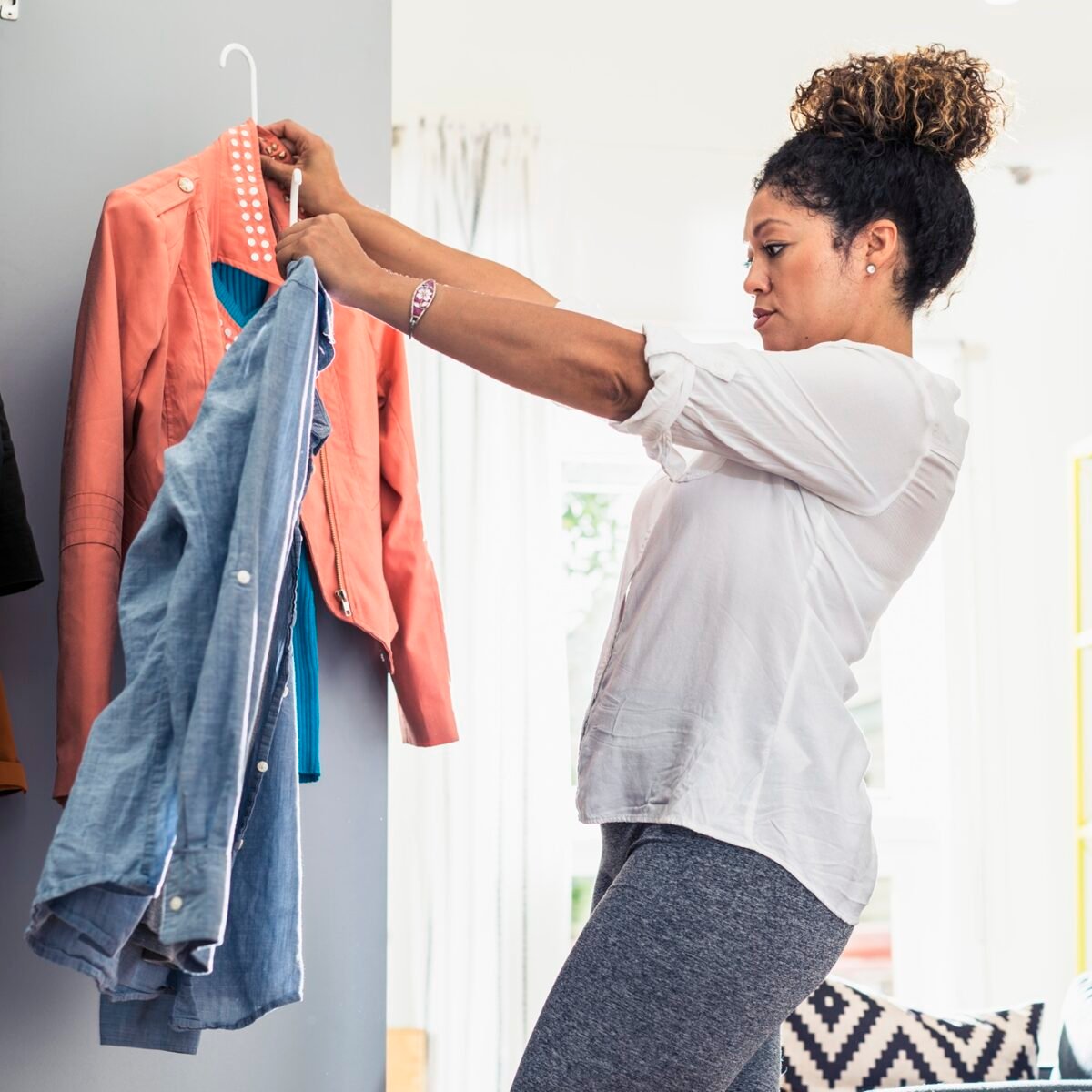
“It’s an organic, continuous process that we outgrow things,” she said. “And then there are new things that represent what we’re moving into next for our lives.”
For clothes in particular, KQED’s own senior editor Carly Severn has her own tactic, called “The Last Chance Saloon,” where you bring all the items you haven’t worn in a while to the front, and you have a week to wear them, or else they go.
Maynard complimented this strategy, “because sometimes you might have an item that you love, but it’s really the past version of yourself.”
The process of getting rid of your clothes is not always easy. Maynard said the best way to remove friction — whether it’s memories, shame, distraction or decision fatigue — is by decluttering with other people.
Much of her job, she said, is reminding clients that they’re “setting themselves up for the version of their life that they desire. We really talk about it like solving a puzzle with friends.”
But now that you know what you’re getting rid of, how do you go about it?
Option 1: Sell your clothes
If you’ve got the time, energy and interest, you can start by trying to sell some of your clothes.
Online options for selling clothes abound, including:
- Depop
- Poshmark
- Mercari
- The Real Real
- ThredUp
You can even try to sell your nicer pieces in person at local consignment stores or chains like Plato’s Closet. If you’re going this route, you’ll have the most success if you price your item in line with the market (look up other similar items for a price range) and include critical details like sizing and any wear and tear.
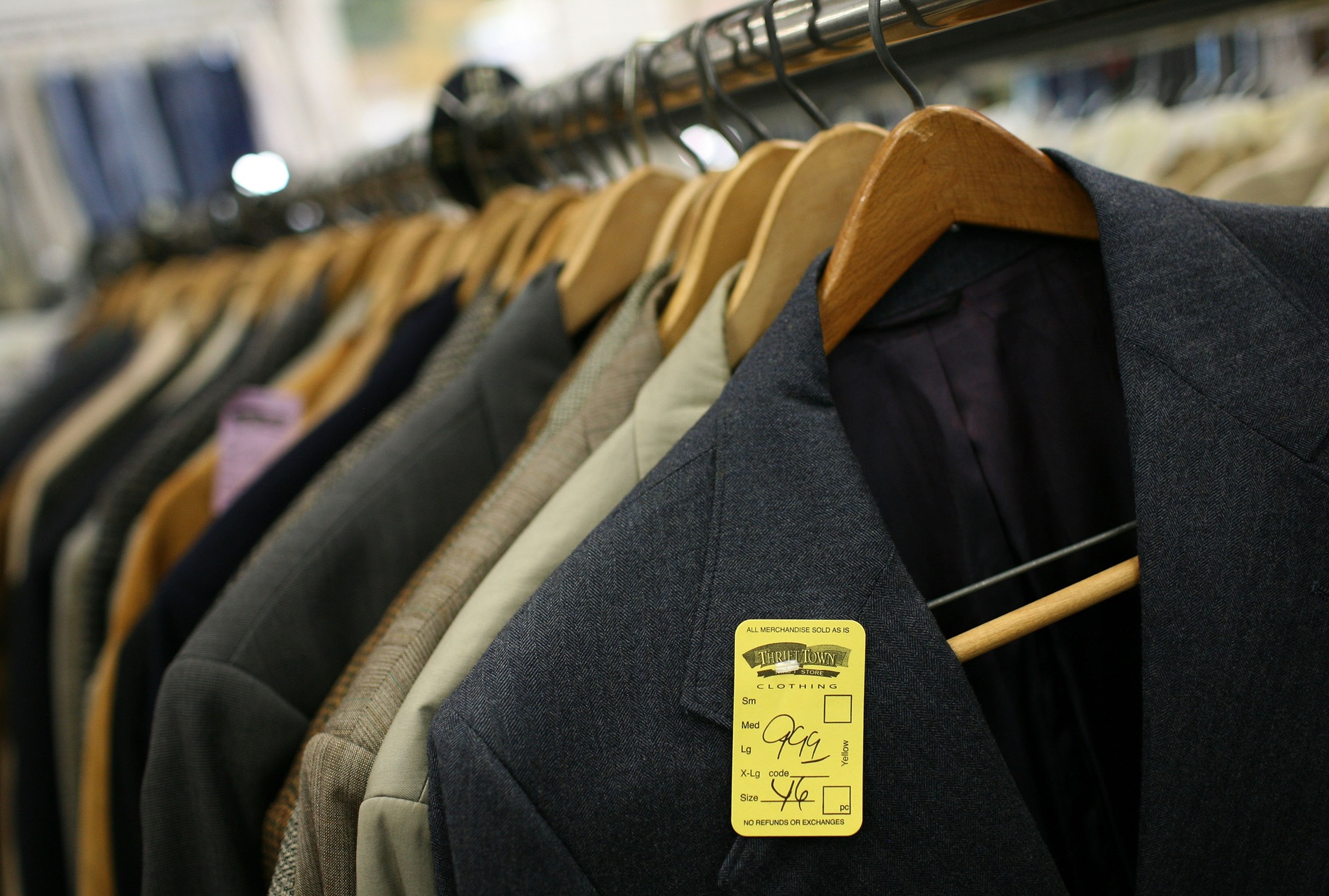
Here are some of the stores in the Bay Area that could pay you — or offer store credit — for your used clothes:
- Wasteland has several locations around the Bay, including in the Haight. You can get 30% of what the buyers set as selling prices.
- Buffalo Exchange has locations in the Haight and Mission Districts as well as all over the Bay Area. You get 25% of the selling price in cash or 50% in store credit.
- Crossroads on Fillmore, Market and Irving Streets in San Francisco offer in-store and drop-off selling options. You can also request a prepaid bag to sell your clothes by mail or sell higher-value items with consignment.
- 2nd Street has Haight, Stonestown and Berkeley locations, and buys used clothes in-store.
- ReLove in Polk Gulch and Oakland offers 35% of the selling price in cash, 40% in store credit or 35-60% for consignment (reserved for high-end or high-risk items, paid once the item sells).
Remember: All of these locations are likely to require you to be 18 or older and present your ID. They will only accept clothing that’s clean.
Option 2: Donate your clothes
If selling doesn’t seem worth the effort, here in the Bay Area, there are tons of opportunities to donate your used clothing and make sure it stays as clothing and doesn’t end up in the landfill.
Maynard helps her clients give clothes to stores and organizations like Community Thrift, St. Anthony’s, Out of the Closet, Goodwill and The Salvation Army (more info on these below). She said she often helps clients post on local BuyNothing groups, the free section of Craigslist and Facebook Marketplace “to get them into the hands of people that can use them sooner rather than later.”’
Not sure if your clothes are high-quality enough to donate? Rest assured: “Bring us everything,” said Tim O’Neal, president and CEO for Goodwill in the San Francisco Bay Area. “We are happy to take it.”
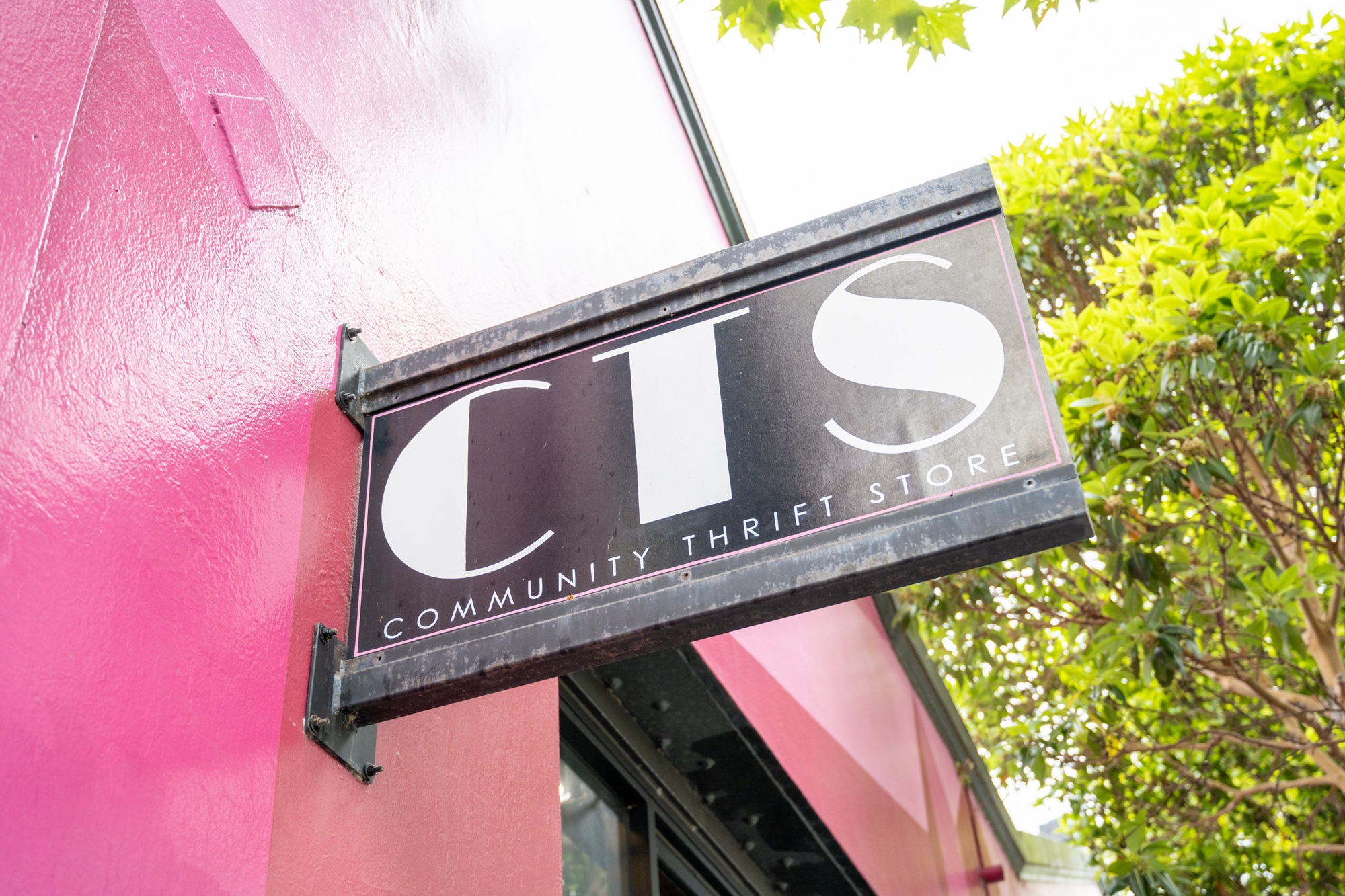
The Bay Area is a particularly generous market when it comes to people donating clothes, O’Neal said. Previously, clothes you donated here in the Bay Area might get shipped to other markets where fewer people donate.
Despite closing its Oakland location, O’Neal said Goodwill has plans to expand its Bay Area presence and open 80 new stores here in the next decade, outfitted with drive-up donation centers onsite.
A few Bay Area locations to drop off clothing donations (in general, these centers prefer clean clothing and textiles, but are more flexible than buyers in what they accept):
- Community Thrift Store in San Francisco’s Mission District takes donations almost every day, and has a thorough list of what you can and cannot donate
- St. Anthony’s accepts donations at its Golden Gate Avenue location in San Francisco or via mail
- Out of the Closet accepts in-store donations at its San Francisco and East Bay locations, as well as large item pickup if needed
- Goodwill has dozens of locations all over the Bay Area, and many accept donations (check this list to verify)
- The Salvation Army has donation drop-off sites all over the Bay Area
You could also consider getting your friends in on the act and organizing — even hosting — an in-person clothing swap party. You could even start one for your workplace: Here at KQED, we’re lucky to even have a periodic clothing exchange, which helps motivate many of us to finally part with that too-small jacket or dress we’ll never wear again.
Option 3: Recycle your clothes
If your clothes can’t be resold at all — for example, if they’re stained or broken beyond repair — Goodwill can still send them elsewhere to be recycled back to their fibers to be used in other industries, O’Neal said.
“If we can’t use it, we can find a way to recycle it or repurpose it,” he said. Just don’t bring them any hazardous materials, he stressed.

Other groups, like The Salvation Army in San Francisco, also take textile donations for recycling. And if you’re cleaning out your closet and stumble upon other, non-clothing items to get rid of, most donation centers will take those, too.
How to recycle your clothes at:
- The Salvation Army: Drop off clothes at its Bay Area locations or schedule a home pickup
- H&M: With locations all over the Bay Area, you can drop off clean clothes in donation bins.
- Ridwell: This subscription service recycler will also take your textiles, but you have to pay a fee.
Check out this county-run list for even more locations in the Bay Area (or this one for San Francisco) that accept clothing to recycle, including retailers accepting specific items like denim and socks.
Just remember: Textiles are hard to recycle, so if you want to minimize waste, you may try to repair, repurpose, sell or donate your clothes before recycling them.