

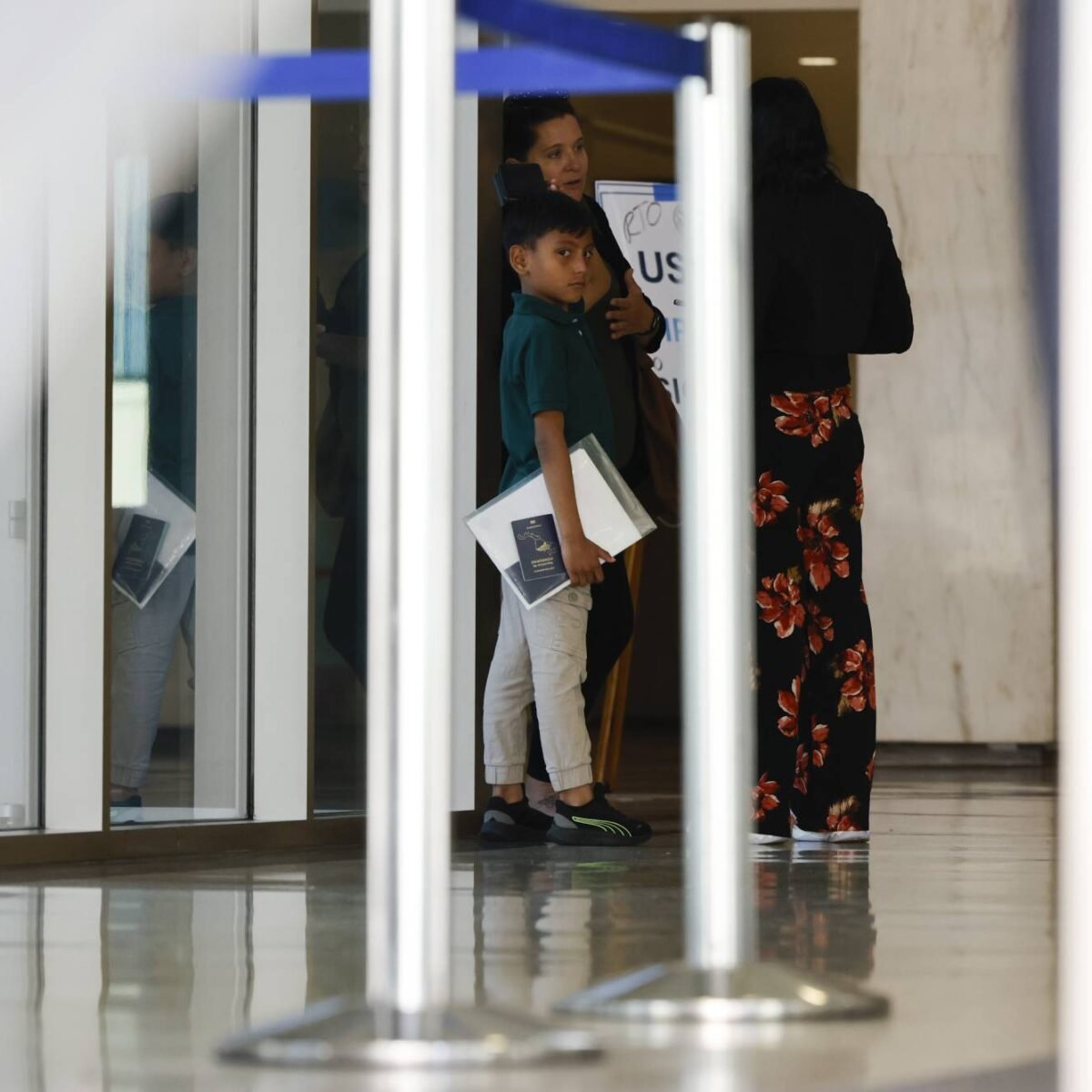
Victims of crimes such as domestic violence, sexual abuse and wage theft, advocates say, are declining to seek relief in court out of fear of encountering immigration enforcement there, hurting people’s access to justice.
California already prohibits arrests related to immigration offenses and other civil law violations at court buildings, except when the enforcement agency has a written order signed by a judge, known as a judicial warrant. But immigrant advocates, public defenders and others say the state law lacks teeth, arguing that ICE has flouted it without any repercussions so far.
Meanwhile, a bill working its way through the state Legislature aims to strengthen the ban on courthouse civil arrests and expand protections for people going to and from courts.
Under the Judicial Council’s separate policy proposal, the state’s 58 trial courts starting in June would be required to track and report whether officers identified themselves, presented a warrant or took an individual into custody, as well as the date and location of each incident.
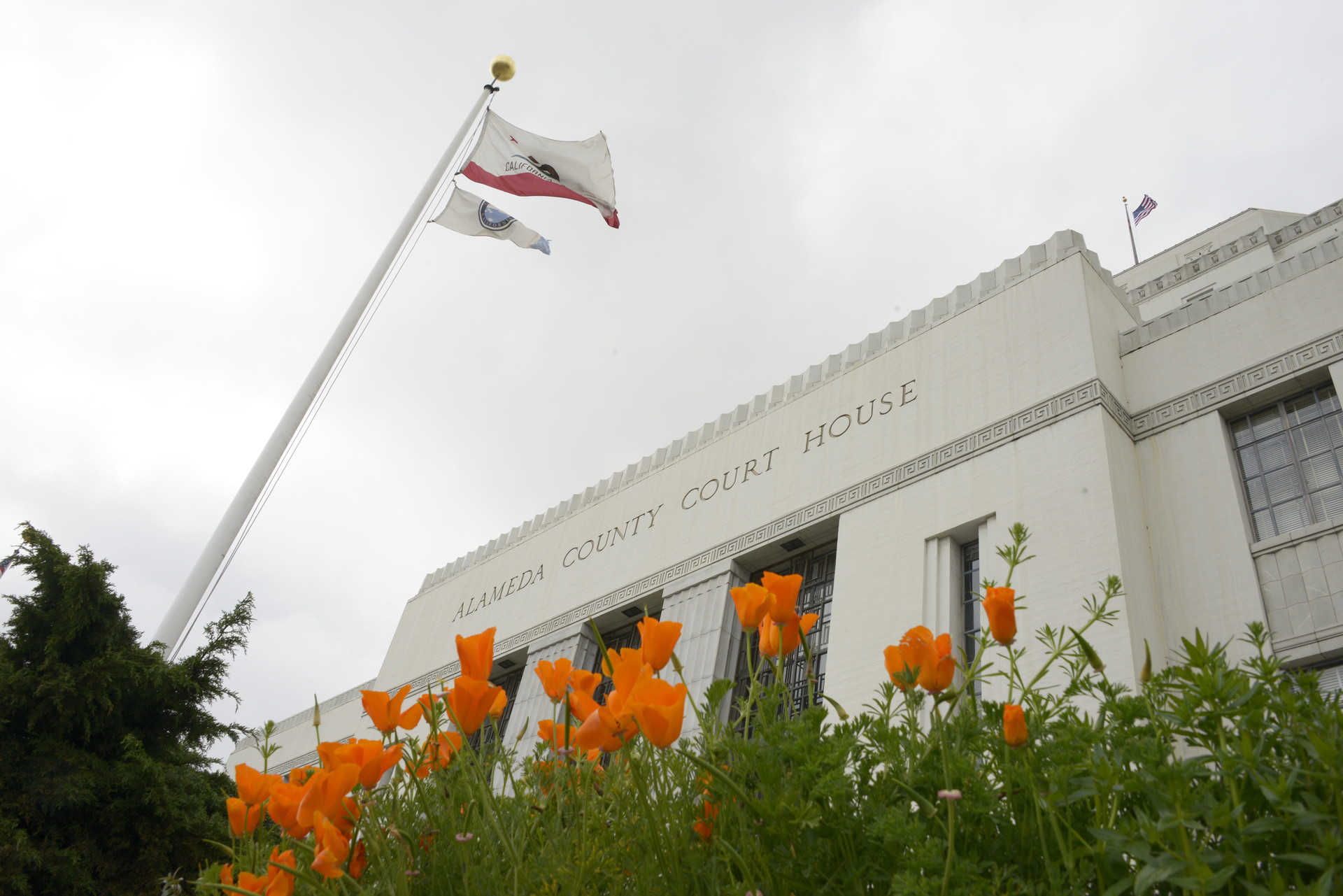
While the move would help state officials understand the scope of the issue, it won’t protect people’s fundamental right to access the courts, said Tina Rosales-Torres, a policy advocate with the Western Center on Law and Poverty who estimates that ICE has conducted hundreds of arrests at California courts since January 2025, when President Donald Trump took office.
“That’s a good first step. It is good to have data. I do not think it is sufficient to meet the crisis that we are in,” she said.
“So it is going to be helpful to kind of see at least a snippet of what is happening,” Rosales-Torres added. “But then what? The Judicial Council hasn’t proposed a solution, and data is only as effective as we use it.”
Immigration arrests at California courthouses used to be rare, reserved for cases involving national security or other significant threats. As recently as 2021, during the first year of the Biden administration, top ICE officials recognized that routinely apprehending people in or near courts would spread fear and hurt the fair administration of justice.
Since last year, as authorities moved to fulfill Trump’s mass deportation promises, federal officers have approached and handcuffed at least dozens of people at court hallways, exits and parking lots in Alameda, Fresno, Los Angeles, Sacramento and other counties. In San Bernardino, TV cameras filmed agents in black vests restraining several men at the Rancho Cucamonga court parking lot in a single day this month.
Some attorneys now warn clients they could see immigration enforcement in court.