

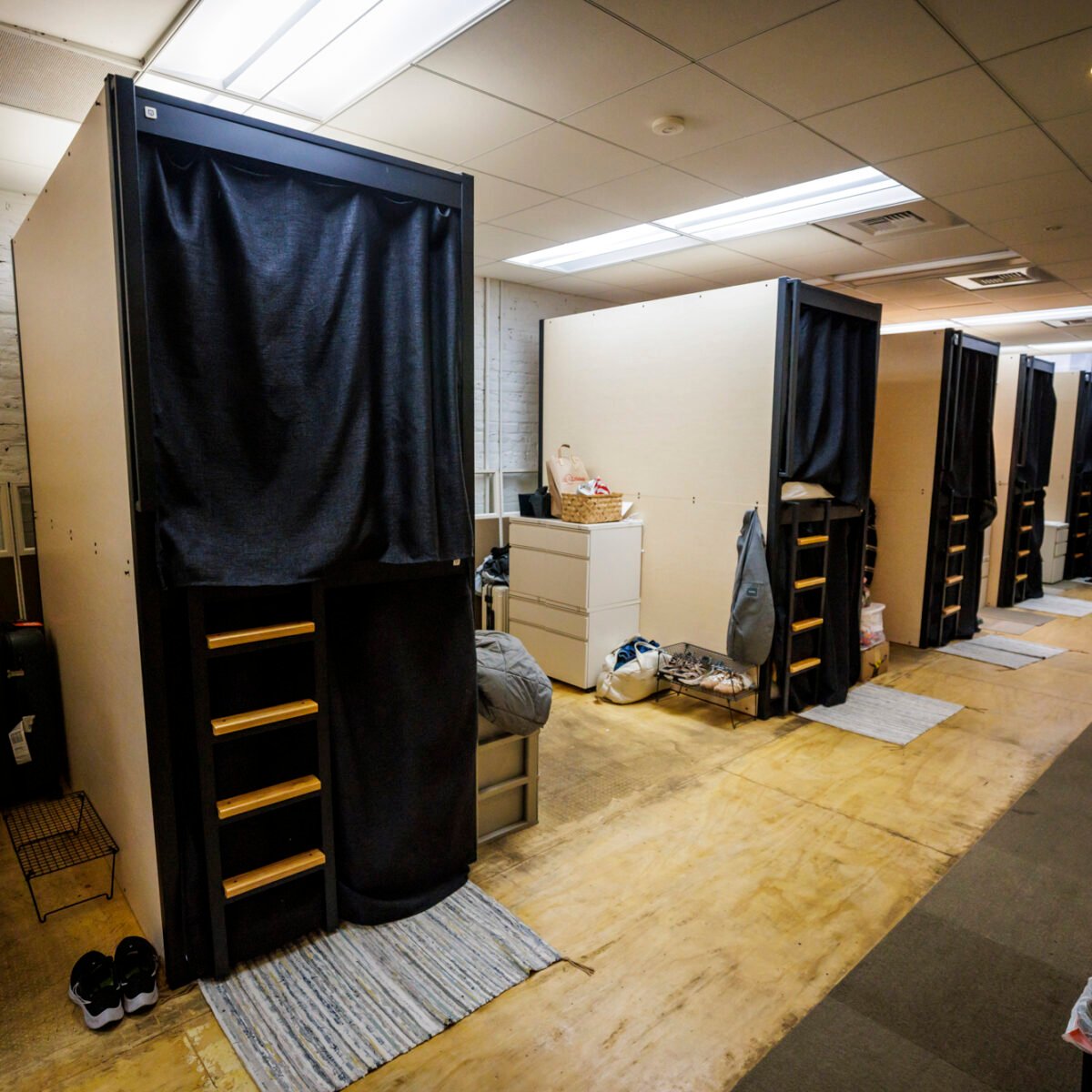
These short-term micro-housing units with shared bathrooms and kitchen spaces have been a common source of affordable housing for generations of newcomers to San Francisco, and, according to a Pew Charitable Trusts report, were used to rent for as low as $100 to $300 per month in 2025 dollars. Today, monthly rent in an SRO in San Francisco costs, on average, around $900, according to the San Francisco Planning Department.
In stark contrast to the pods, SROs in San Francisco’s most densely packed neighborhoods have become de facto permanent housing for the city’s lowest-income residents, as the stock of extremely affordable housing has diminished.
“To me, there’s this question of, is [a sleeping pod] a primary residence?” said Malcolm Yeung, CEO of Chinatown Community Development Center, which manages a portfolio of SROs in San Francisco.
While SROs went from primarily serving as stopgap housing to a permanent place to live, Charlotte Sarfati didn’t think she could do the same in a sleeping pod. She reached her personal limit at nine months after staying in different pod buildings, like Haas Living, before moving to a one-bedroom apartment in Oakland.
“Especially with having a full-time job, it starts kind of getting to you just being around people and wanting privacy,” the nurse-turned-tech worker said. “Once you feel the drain of working a 9-to-5, it became a little too much for me.”
Riding the AI wave
With its minimalistic AirSpace aesthetic, Brownstone is actively catering to Safrati’s demographic: residents in their 20s to early 40s, with many current residents telling KQED they work in tech.
At the 400-pod megadorm that Brownstone is trying to launch, the same twin-sized pods would go for $1,200 per month, about $500 more than the Mint Plaza location. Stallworth said that’s simply a reflection of the market, which has seen rents go up this year in San Francisco.
“They’re making a lot more money per square foot than a studio would be,” Martí said. “And that’s always been the case, right? Developers make more money on studios than they do on two-bedrooms because if you can cram more little studios, you can earn a lot more.”
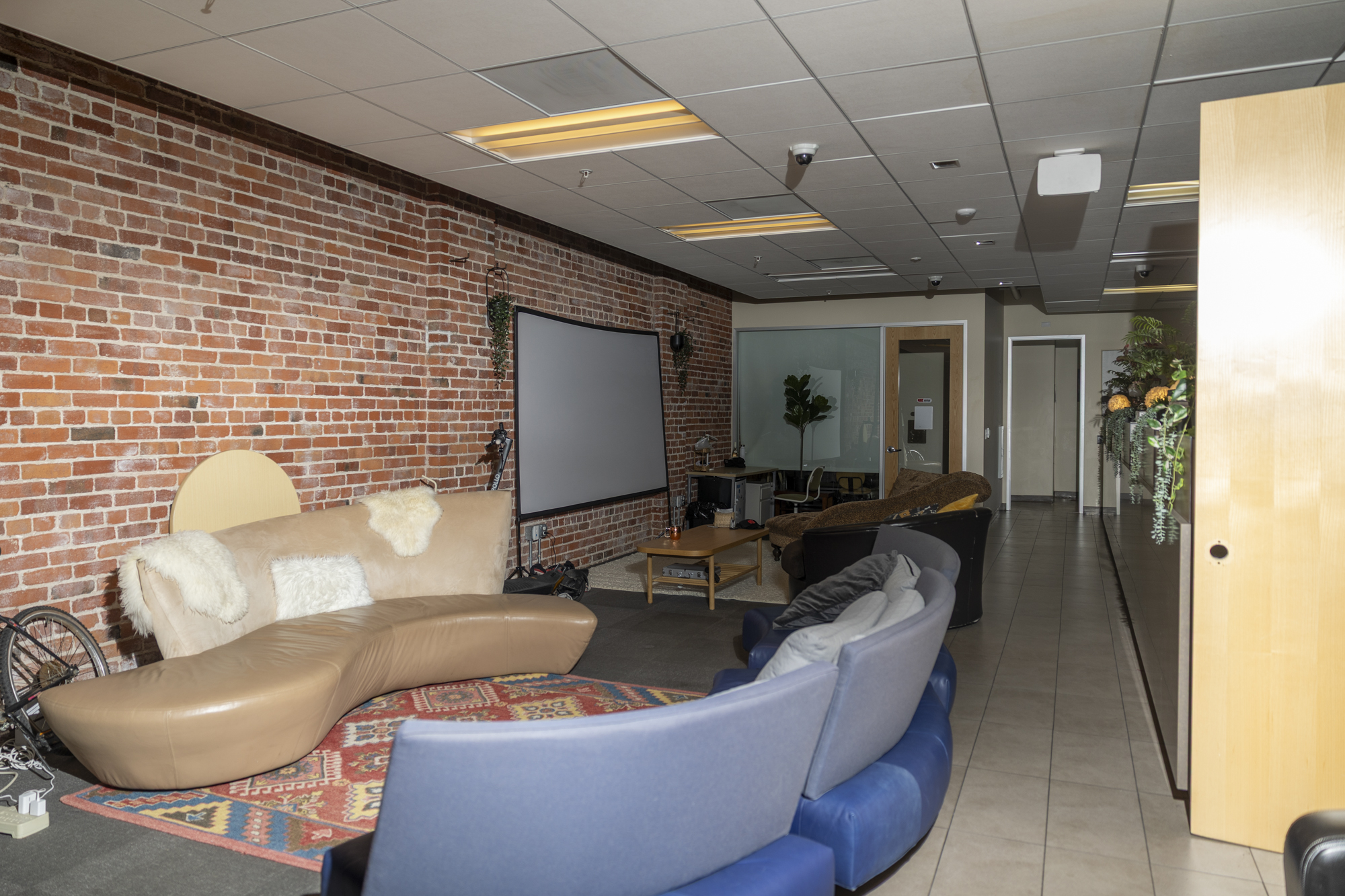
In other words, cramming more people into smaller spaces is a simple way to squeeze money out of more renters. The market for sleeping pods, currently valued at around $2.7 billion in 2026, is growing globally, according to Business Research Insights.
House prices have nearly tripled in San Francisco in the recovery following the Great Recession, according to Reid. As a result, households that are cost burdened have gone from those making under $50,000 per year to now close to $100,000.
“This is really making San Francisco a place that only the extremely rich can afford,” Reid said. “It means affordability pressures are moving up the income ladder, just because of the lack of both rental and affordable home ownership opportunities.”
Stallworth, 34, got the idea for Brownstone while he was a student at Stanford University, facing his own housing struggles in the 2010s.
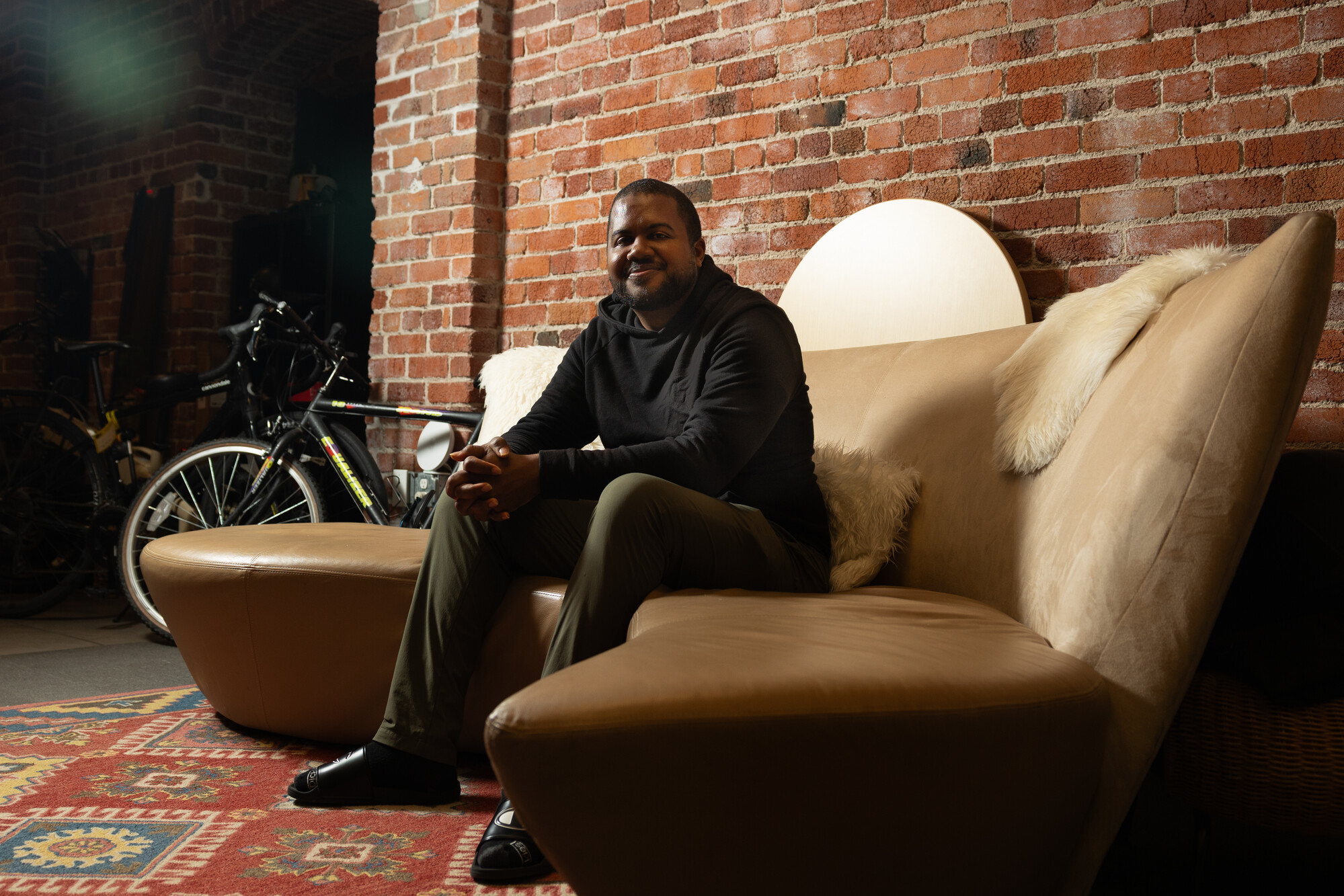
“I was crashing on couches and trying to make it work, but it was extremely difficult,” he said.
Stallworth ended up living for free in the basement of a hacker house stacked with Ikea bunk beds in exchange for helping run the booking system. He met his co-founder, Christina Lennox, while working as an auditor for the state. She had experience as a landlord, and the two wanted to create an alternative to what they saw on the housing market.
“Housing is a barrier to opportunities,” Stallworth said. “In Silicon Valley, we like to pretend that it’s a meritocracy, but access to housing is mostly determined by money.”
Business hasn’t all been smooth, and the company’s relationship with the city has been rocky.