
Conny Waters – AncientPages.com – A new scientific study is offering important insights into the Maori diet and burial practices in Aotearoa, New Zealand, before European colonization.
Led by the University of Otago – Otakou Whakaihu Waka, and carried out in close partnership with mana whenua, the research was conducted with the approval and guidance of Waikato hapu and iwi: Ngati Maahanga, Ngati Wairere, Ngati Koroki Kahukura and Ngati Haua. It provides the first direct scientific evidence that some Maori communities consumed predominantly plant-based diets prior to the arrival of Pakeha (Europeans).
This work is one of only a few studies in Aotearoa that use scientific analysis of koiwi tangata (human remains) to explore diet, childhood life histories, and chromosomal sex.
The koiwi tangata were accidentally uncovered during archaeological work for the Hamilton section of the Waikato Expressway, carried out on behalf of NZ Transport Agency Waka Kotahi.
Lead author Dr Rebecca Kinaston, Director of the archaeology consultancy BioArch South and affiliate of the Coastal People: Southern Skies Center of Research Excellence (hosted by Otago), says the findings emphasize the central importance of horticulture—especially kumara and taro—in Maori society during this period.
“These findings provide direct biological evidence that supports Maori oral histories, ethno-historical accounts and archaeological research,” Dr Kinaston says.
“They show that plant foods were a central component of the diet for some individuals, including children, in this region.”
Researchers conducted advanced isotope and enamel peptide analysis on koiwi tangata (human remains) from seven tupuna (ancestors), including four children, to investigate their diet, childhood place of residence, and chromosomal sex.
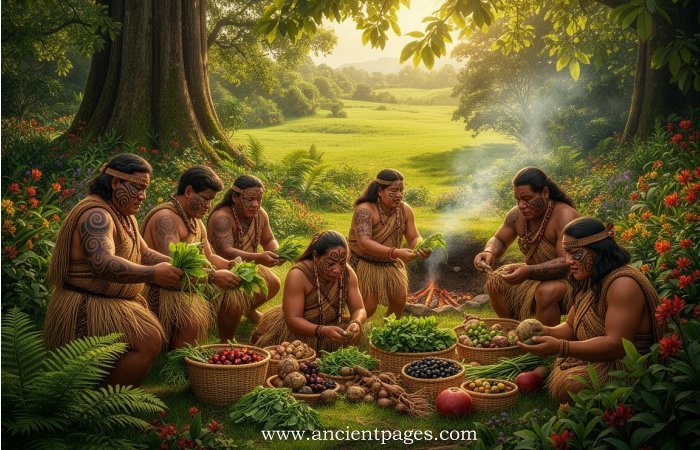
Visual examination of their teeth showed wear patterns consistent with diets high in soft, starchy, and sticky foods, aligning with the consumption of cultivated crops such as kumara (sweet potato) and taro. Isotope data further indicate that the children were likely weaned onto these plant-based foods within their first two to three years of life.
The study also offers rare insight into Maori burial practices before the widespread influence of Christianity. The koiwi tangata were found in a borrow pit created by gravel extraction, where the material had been used to improve soils for kumara cultivation.
The tupuna were placed there as part of a secondary burial, a practice common in later periods. This form of burial may have been intended to protect ancestors during times of conflict or to fulfil specific ritual obligations associated with tapu (sacred restrictions).
Co-author Dr Jonny Geber, of the University of Edinburgh, says “these insights help us understand how tupuna were cared for and ritually treated before major cultural changes brought by colonisation”.
See also: More Archaeology News
Lead archaeologist for the Hamilton Section of the Waikato Expressway Sian Keith, of Sian Keith Archaeology Ltd, says the research was only possible through sustained collaboration and trust with mana whenua.
“We are deeply grateful to Ngati Maahanga, Ngati Wairere, Ngati Koroki Kahukura and Ngati Haua for approving this research and guiding how it was carried out,” she says.
“Their support, knowledge and authority were fundamental for the research.”
The study was published in Nature
Written by Conny Waters – AncientPages.com Staff Writer