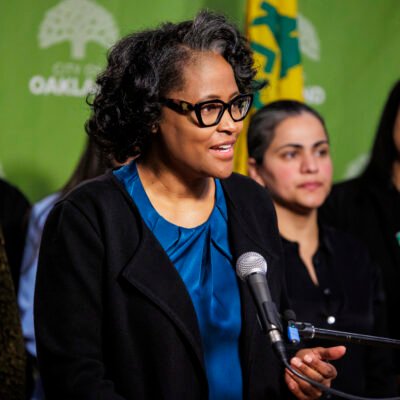

Kim Alexander, president of the California Voter Foundation, called Trump’s order an “extremely alarming” attempt to sow distrust ahead of the election.
“It’s sending a very clear message: if there’s anything we can count on right now, it is that we are going to continue to see these attacks on vote-by-mail all the way until November,” she said on KQED’s Forum.
Bonta said Trump’s order directs the beginning of a lengthy rulemaking process, making it unlikely that it will have any effect on California’s June 2 primary, even in the absence of court action.
“But it could … affect and impact the midterms through the November election and, of course, all the more reason and all the import for us to bring our legal case forward,” he said.
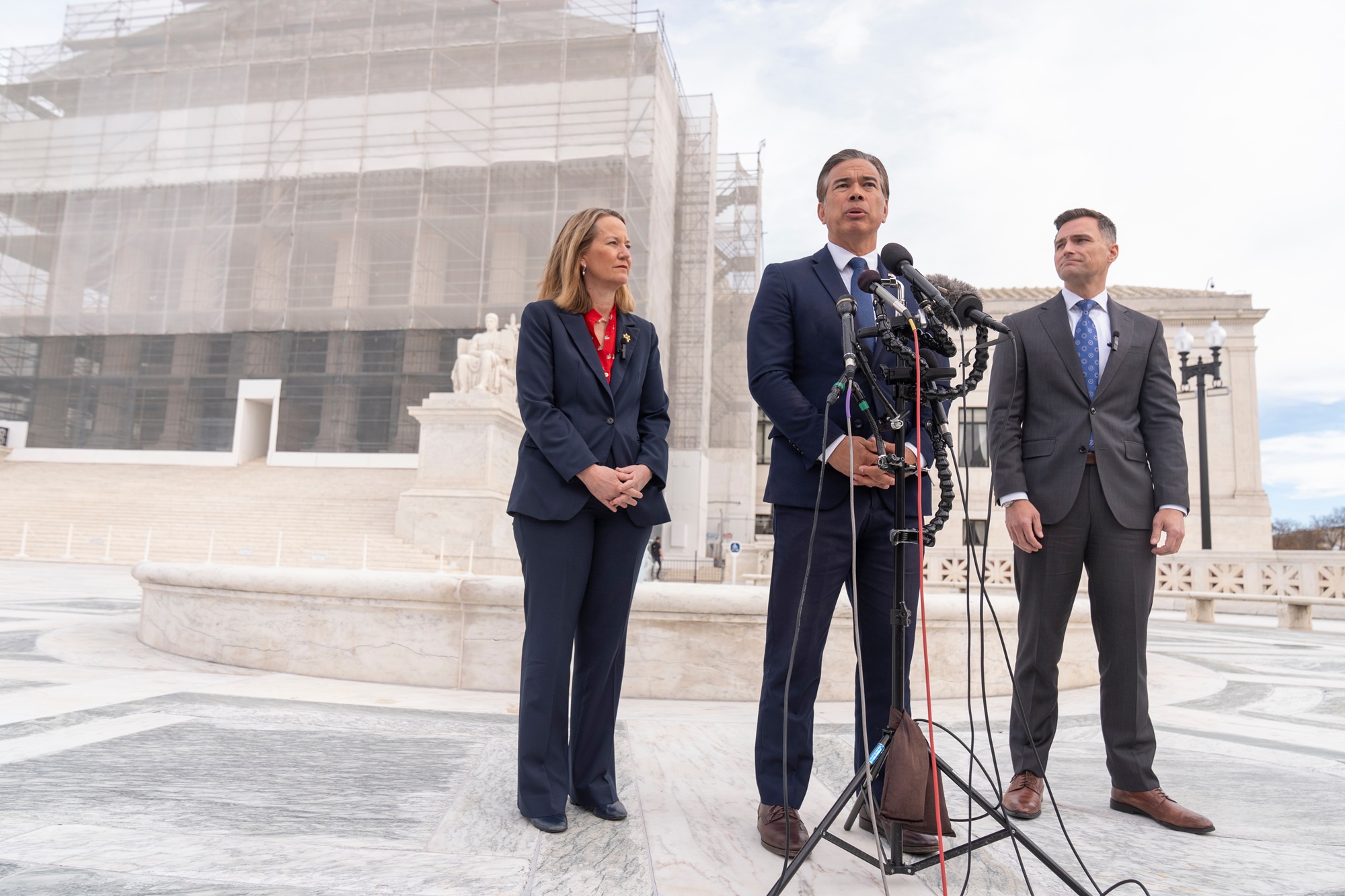
In the lawsuit, Bonta and the other attorneys general argue that the Constitution vests the powers to regulate elections solely with the states and Congress.
“Neither the Constitution nor any act of Congress confers upon the President the authority to mandate sweeping changes to States’ electoral systems or procedures,” they wrote in the complaint.
The executive order is just one of many headwinds facing California’s system of universal vote-by-mail. Trump is pushing for legislation in Congress that would ban states from automatically sending every voter a ballot.
Meanwhile, the U.S. Supreme Court is considering a challenge to state laws (like one in California) that allow ballots cast by Election Day to be counted even if they arrive days later.
At the local level, Bonta is also locked in a legal battle against Riverside County Sheriff Chad Bianco, a Republican candidate for governor, over mail ballots.
Earlier this year, Bianco seized ballots cast in the 2025 election in a self-described attempt to investigate fraud.
The state has sued Bianco, challenging his assertion that there was any criminal activity that warranted such a seizure.
The lawsuit is ongoing, but earlier this week, Bianco said he would pause his inquiry.